





















04
Content warnings, alt text, and the consent culture of the Fediverse
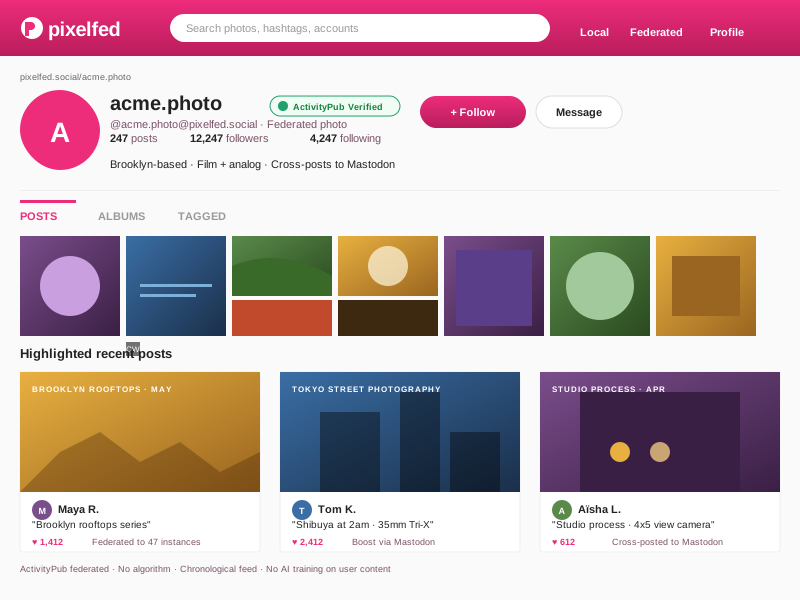
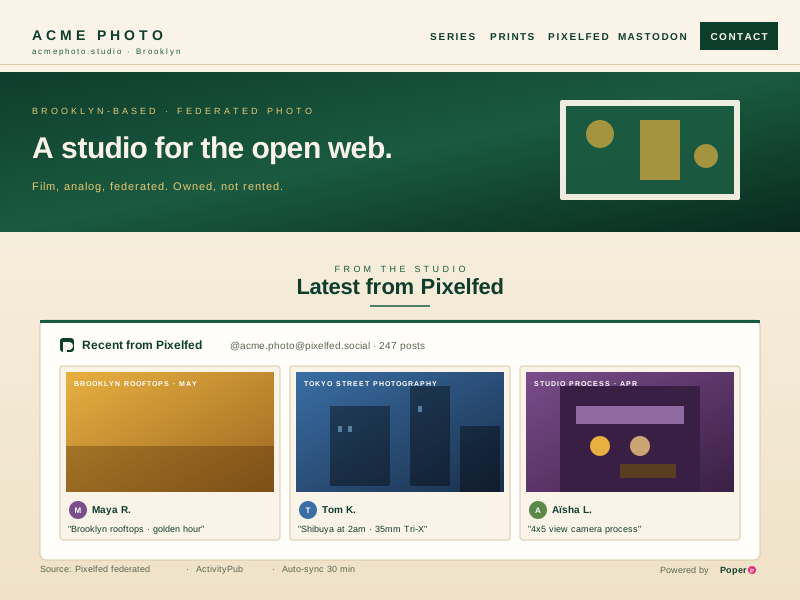
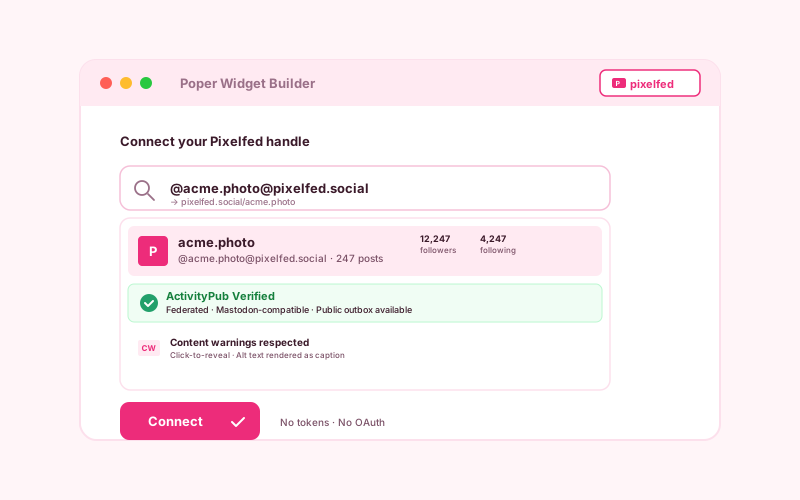
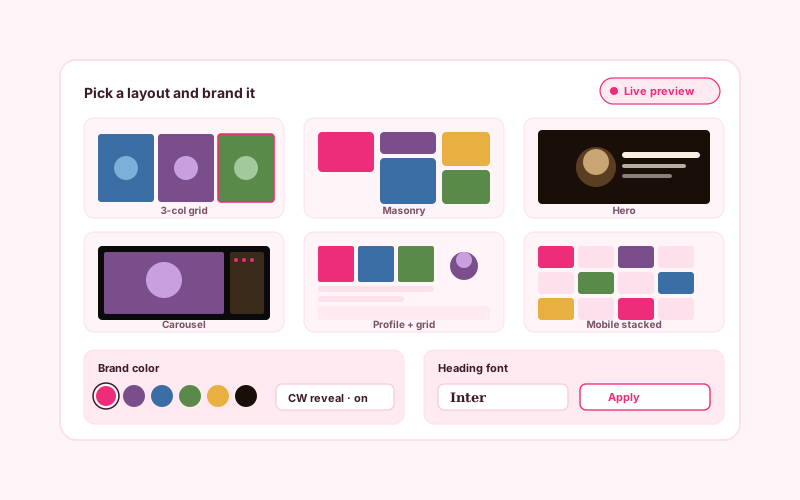
Pixelfed culture, inherited from broader Fediverse norms, treats content warnings (CWs) as a core social expectation rather than an afterthought. Photographers wrap potentially sensitive content (nudity in fine-art photography, blood in photojournalism, eye contact in street portraits, food, body, spoilers) with a CW so viewers can choose whether to reveal the photo. This consent-based approach is one reason post-Meta photographers find Pixelfed comfortable: the CW affordance gives viewers control that algorithmic feeds never offered. A Pixelfed widget that strips CWs (or worse, displays the wrapped photo without the warning) breaks this norm and damages the photographer's trust with their audience. Poper preserves CWs exactly: collapsed by default with a click-to-reveal overlay matching the Pixelfed web client, or always shown with a CW header if your portfolio prefers. You can also set a CW keyword filter to hide specific categories from your embed, useful for portfolios on professional sites where certain CW topics are off-topic. Alt text gets the same respectful treatment: rendered as a caption (the Pixelfed and Mastodon norm) rather than hidden in a tooltip. This matters for accessibility and for SEO: alt text is indexable, so a Pixelfed embed with rich alt captions adds genuine on-page content for search engines.