04
The post-Twitter migration and why brands moved to Mastodon
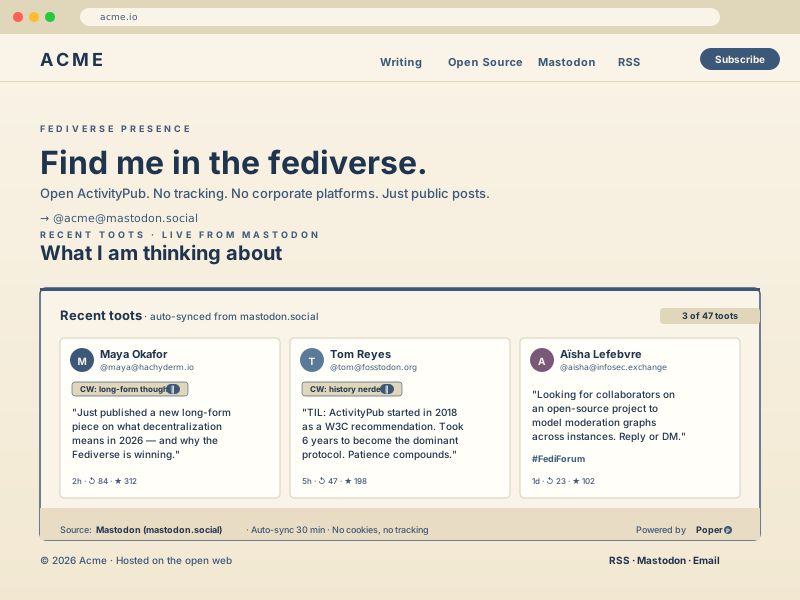
Between October 2022 (Elon Musk's Twitter acquisition) and early 2024, Mastodon grew from roughly 300,000 monthly active users to over 1 million. The migration was driven by journalists, academics, open-source maintainers, security researchers, and privacy-focused brands who decided centralized platforms were no longer reliable hosts for public discourse. Major moves included: NPR and BBC public-broadcast accounts, government accounts (the EU has multiple instances for its institutions), academic researchers (academia.exchange, mathstodon.xyz, and dozens of discipline-specific instances), open-source projects (the GNOME, Krita, and KDE projects all maintain official Mastodon presences), and privacy-conscious media organizations. For these brands, embedding a Mastodon feed on the marketing site or docs page is a statement: your public communications happen on an open protocol, not a walled garden, and your readers can engage without creating accounts on platforms they distrust. The widget makes that statement loud and visible.