05
Big Law positioning and the bio page as the highest-stakes BD asset
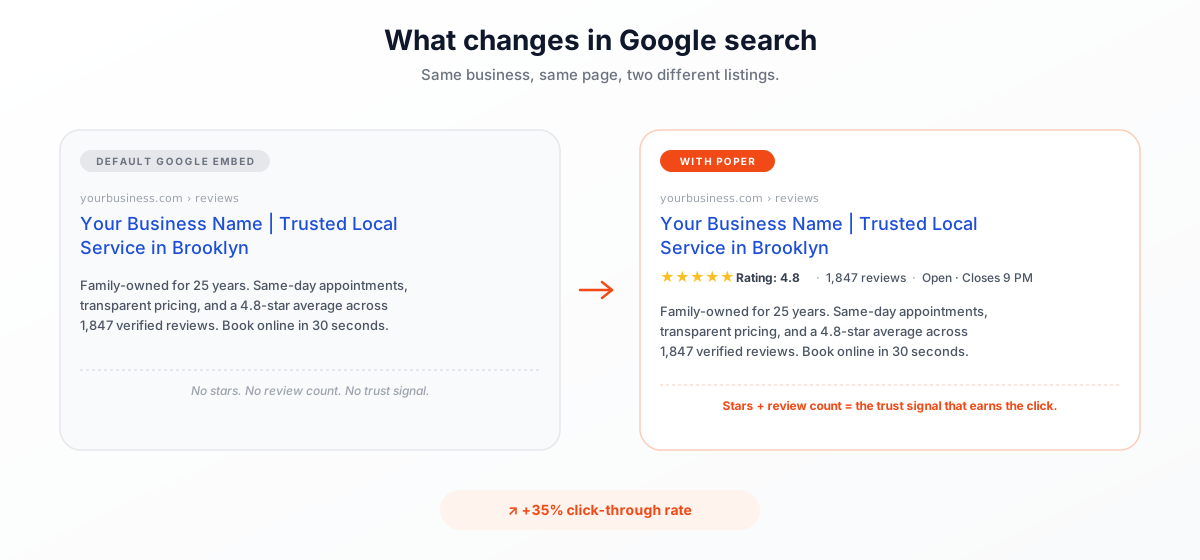
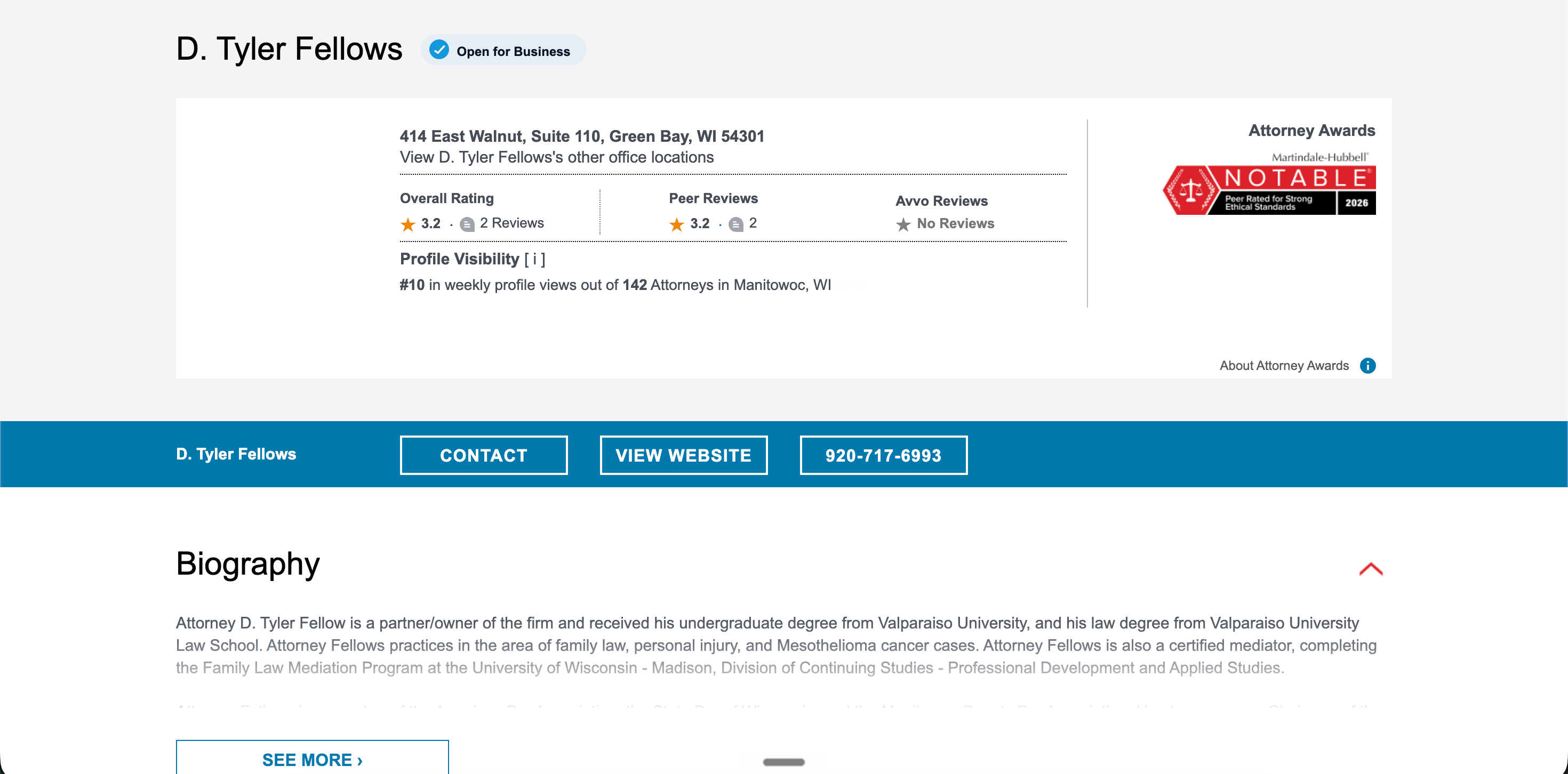
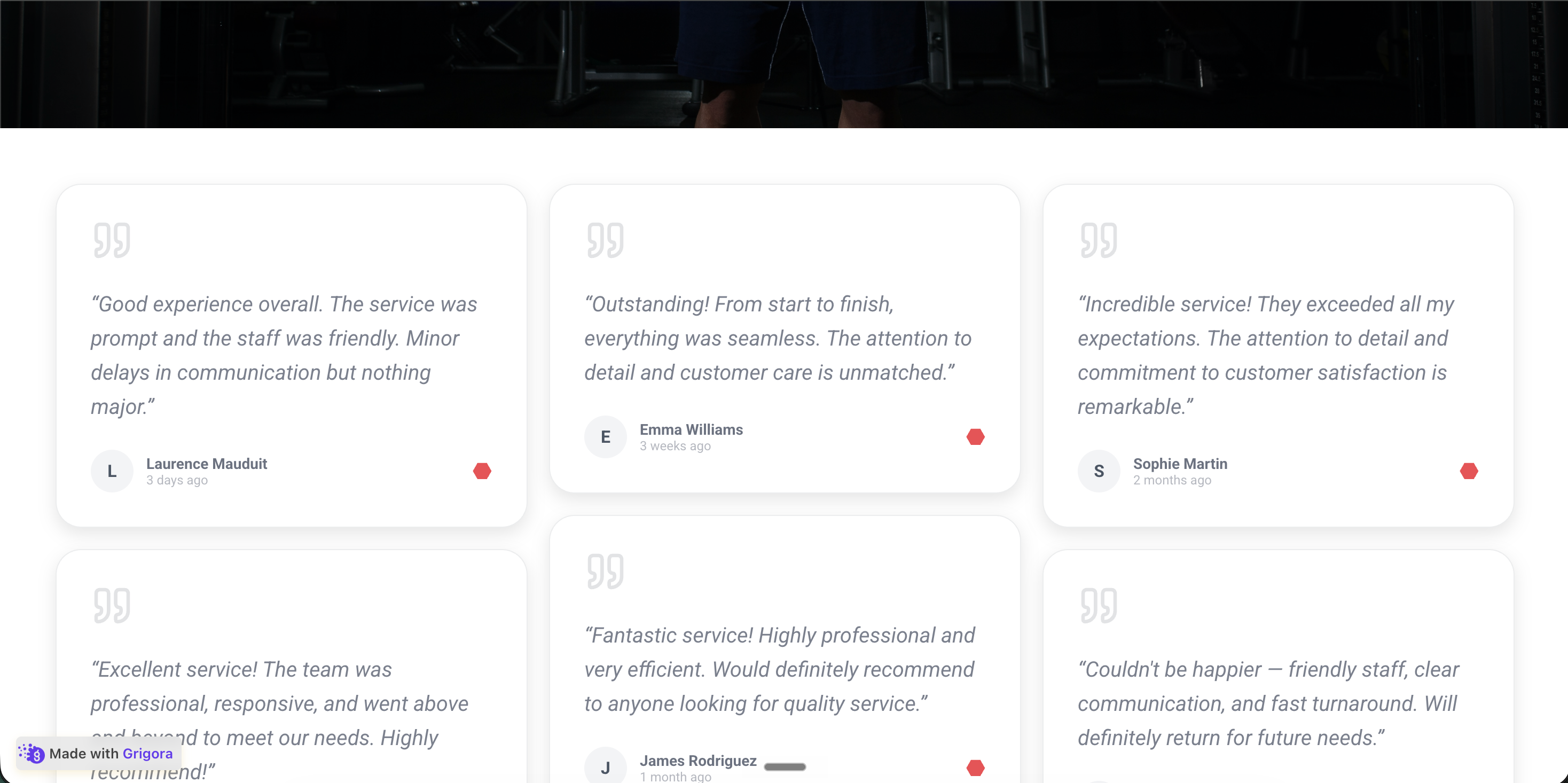
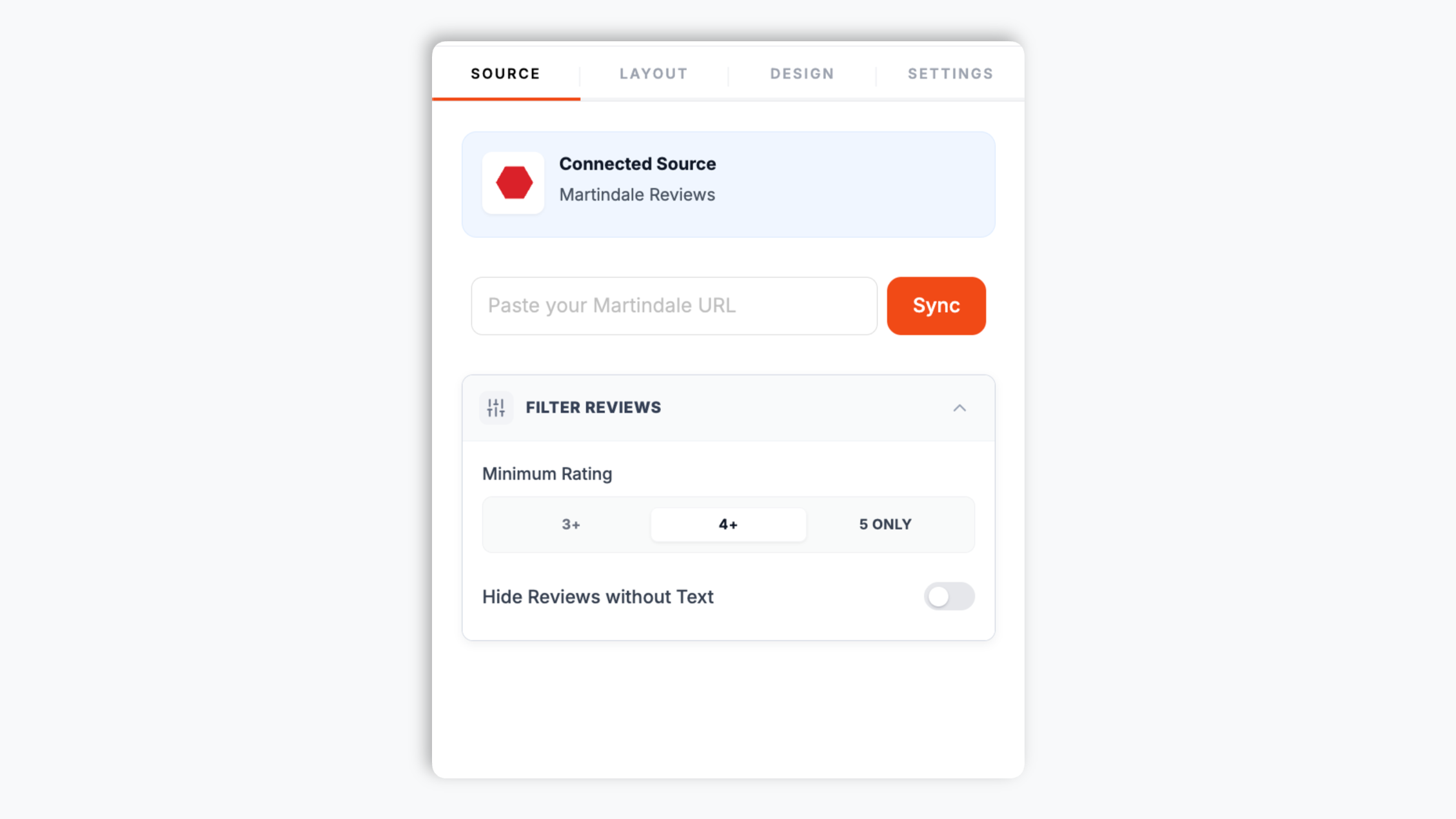
Inside large law firms there is a quiet truth that BD professionals know and partners often underestimate. The partner bio page on the firm website is the single highest-stakes business development asset the firm controls. Every conflicts check, every referral conversation, every press inquiry, every prospective client, and every recruit eventually lands on the same URL. The bio is read more times in a year than any other partner-controlled marketing surface. What appears in the first scroll defines whether the visitor reads on or bounces back to the search tooling. For decades the answer to that first scroll was a CV-style chronological summary, which optimizes for nothing. The modern answer at well-run firms is a peer-rating badge, an aggregate star score sourced from source reviews, and a tight set of recent matter-level testimonials. Martindale supplies all three and is the only directory whose credentialing layer carries weight with the GC and judge audiences that read partner bios most actively. Embedding the Martindale widget on the bio page is therefore not a marketing nice-to-have. It is a structural improvement to the highest-traffic page in the firm's BD funnel, and most firms that ship it see useful signals in the things that matter: contact-form submissions, conflicts checks, and inbound referrals from the bench and bar. There is a parallel argument for mid-size and boutique firms that compete with Big Law on specific matters. The peer-rating signal is exactly the credentialing currency a 30-attorney litigation boutique uses to earn a seat at the table on a high-stakes case where the alternative is a 1,000-lawyer firm with deeper bench but less specialization. Surfacing AV Preeminent and Client Champion designations for the senior partners on the matter team, alongside a tightly curated set of bet-the-company case testimonials, lets a smaller firm communicate the same depth of trust signal a Magic Circle or Vault 100 firm communicates by name alone. The widget is, in that sense, a positioning tool as much as a marketing tool, and the Poper implementation is built so that a single firm-wide configuration can power individual partner bios, practice-group landing pages, and the firm's homepage without manual duplication.