A few years ago, I would have told a fitness brand to use transformation photos as often as possible. They were clear, emotional, and easy to understand in one second. Then I started seeing the other side of the work: clients asking whether they looked "bad enough" in the first image, coaches quietly cropping bodies to make the change look bigger, and prospects comparing their own bodies against a stranger's best lighting.
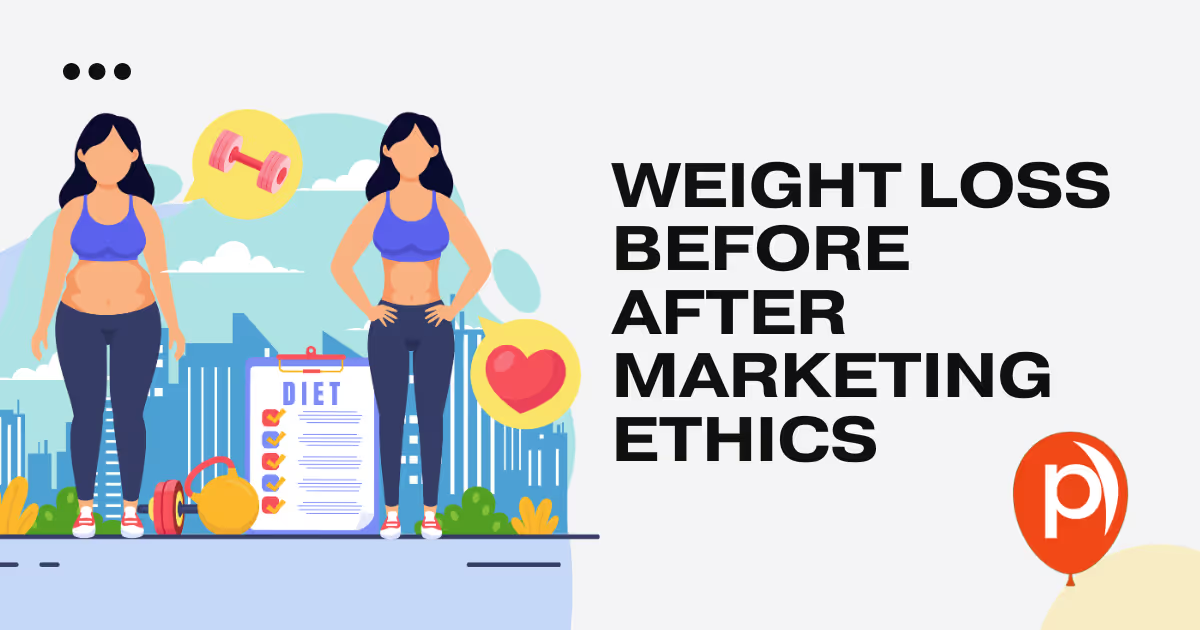
That is why weight loss before after marketing ethics matters so much now. A before-and-after photo can help a real client feel proud and help a cautious buyer understand what a program does. It can also shame larger bodies, imply guaranteed results, or turn health into a visual contest. The difference is not the slider, the camera, or the caption. The difference is the ethics behind the marketing.
So I want to walk through how we think about weight loss before after marketing ethics when building pages, galleries, ads, and comparison widgets. This is not legal advice, but it is a practical framework for fitness coaches, wellness brands, nutrition businesses, and clinics that want proof without pressure.
Why Before-And-After Photos Are So Powerful
Before-and-after photos work because they compress a story. The visitor does not have to read a full case study to see that something changed. Their brain compares the two states instantly, and that comparison can create trust much faster than a paragraph of copy.
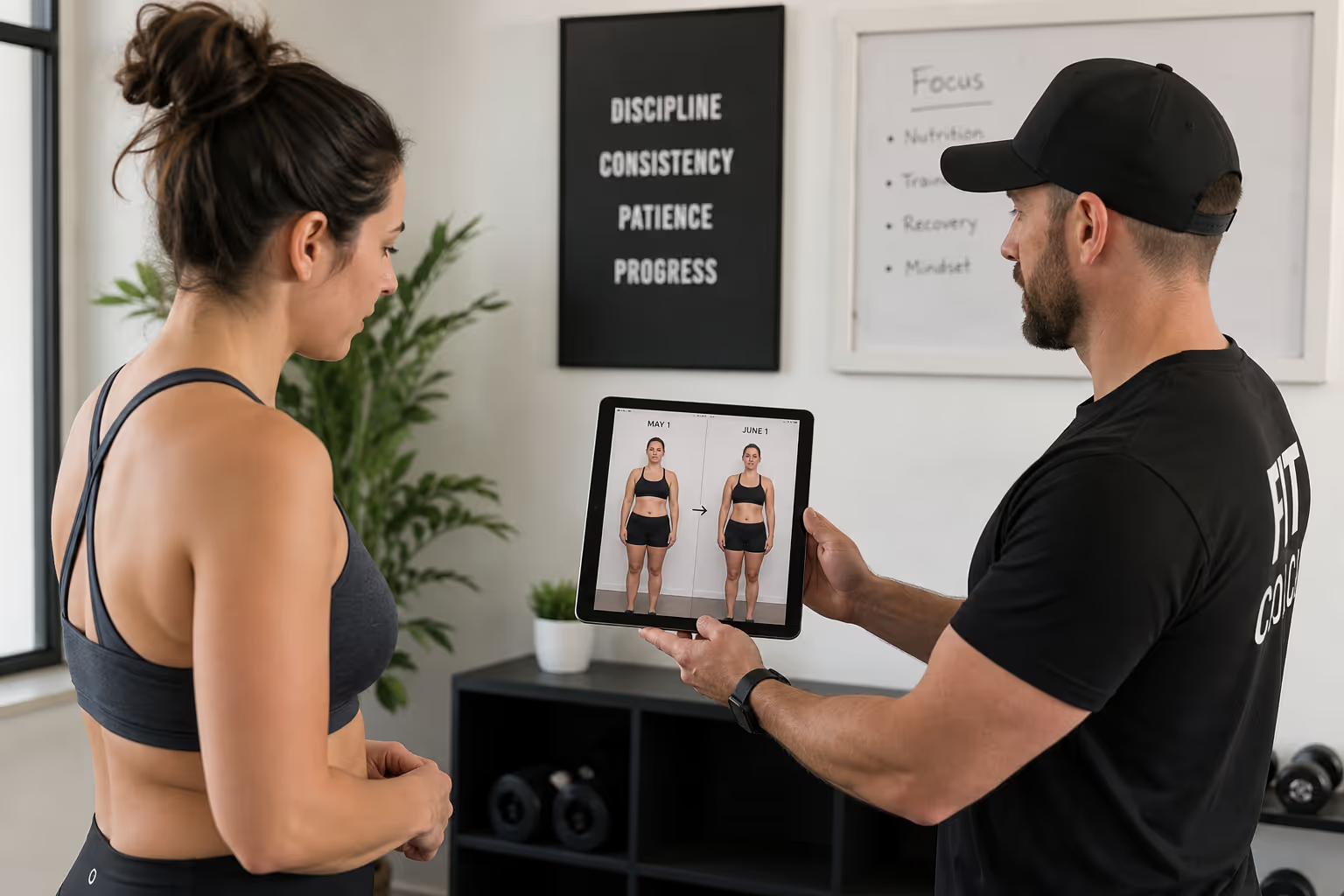
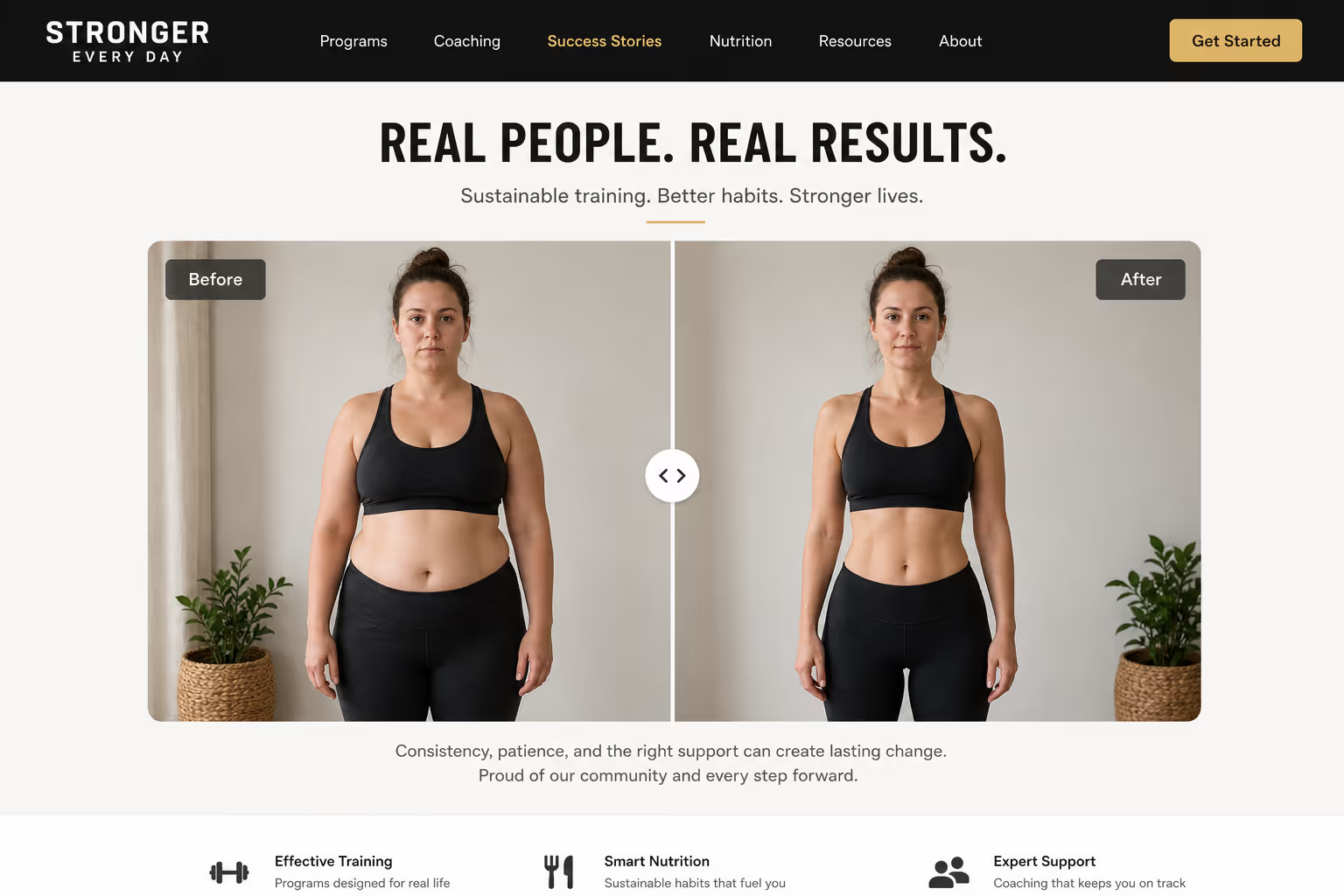
That is also why weight loss before after marketing ethics starts with restraint. When a format is this persuasive, small choices carry weight. Lighting, posture, clothing, camera distance, editing, labels, and the order of images can all change the story. A truthful image can become misleading if the setup makes the "before" look sad, sloppy, or defeated and the "after" look happy, successful, and socially accepted.
The UK CAP Executive's advice on before and after photos is blunt about this risk. It says marketers need proof that the photos are genuine, have not been manipulated, and do not exaggerate the likely effect of the product or program [1]. That is the right baseline for any brand, even outside the UK.
The Ethical Problem Is Not Proof, It Is Pressure
I do not think transformation content is automatically wrong. Many people are genuinely proud of their progress, and some want to share it. The ethical problem starts when the brand uses one person's body to pressure another person into buying.
A strong weight loss before after marketing ethics policy separates evidence from insecurity. Evidence says, "This client followed this program and here is the documented result." Insecurity says, "You should dislike your current body until it looks like this." Those two messages may sit only one caption apart.
The ASA's guidance on body image in advertising warns advertisers not to exploit body-image insecurities or suggest happiness depends on a particular physical appearance [2]. That warning should sit near every fitness marketer's desk. A campaign can celebrate change without making a person's starting body look like a moral failure.
A Simple Ethics Test Before You Publish
Here is the quick test I use before approving any transformation image. If the answer is no to any of these, the piece is not ready to publish.
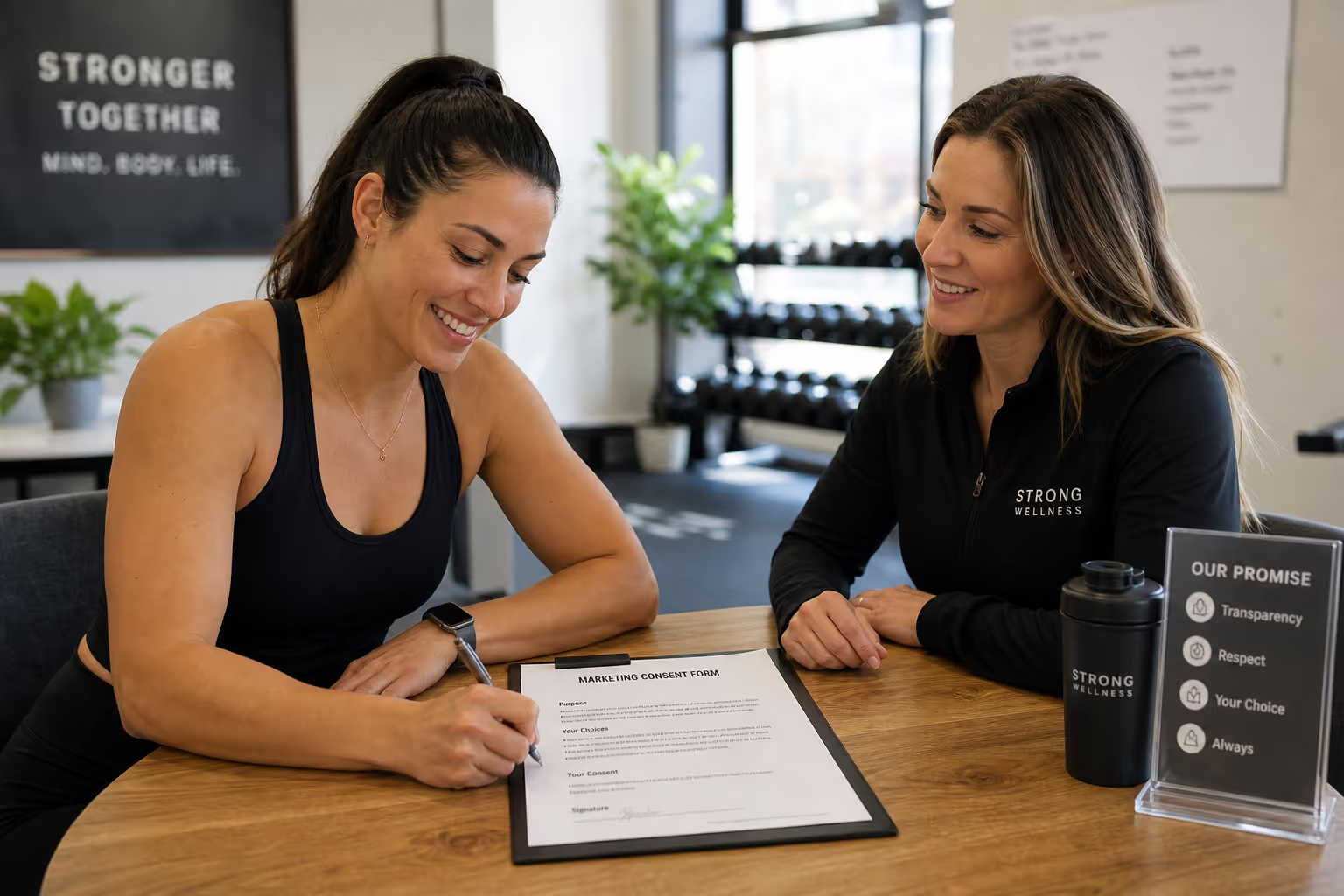
Consent: Did the client give written, specific permission for marketing use, not just private progress tracking?
Accuracy: Are the images real, unedited, and taken in comparable lighting, pose, clothing, and distance?
Context: Does the caption explain the time frame, program, effort, nutrition, training, medical supervision, or other relevant factors?
Typicality: Are we clear that results vary, and are we avoiding the implication that this outcome is guaranteed?
Dignity: Does the "before" image treat the person with the same respect as the "after" image?
That last point is the one most teams miss. Weight loss before after marketing ethics is not only about avoiding a regulator's complaint. It is about whether the person in the photo would feel respected if they saw the ad in public. If the first image only works because it embarrasses them, the ad is borrowing shame, not building trust.
Consent Has to Be Specific, Current, and Easy to Withdraw
A fitness brand should never treat progress photos as automatically available marketing assets. A client may send photos for coaching feedback, accountability, or private milestone tracking. That is not the same thing as agreeing to appear on a landing page, in a paid ad, or inside an email campaign.
Good consent names the exact use. It says where the image may appear, whether the person's name can be used, whether the face will be visible, how long the brand may use the image, and who to contact to revoke permission. For higher-risk contexts, like medical weight management or clinical programs, get legal review before publishing anything.
We also recommend giving clients a no-pressure option. "No" should not affect their coaching, support, discount, or standing in the community. Ethical consent is freely given. A pressured yes is just another weak spot in your weight loss before after marketing ethics process.
Claims Need Evidence Beyond the Photo
A transformation image is a claim. It may not use many words, but it still tells the visitor something about what your program can do. That means the supporting evidence matters.
The FTC's Health Products Compliance Guidance explains that health-related advertising claims need to be truthful, not misleading, and backed by competent and reliable scientific evidence [3]. For a weight-loss program, that means you should be careful with phrases like "average result," "typical," "guaranteed," "doctor approved," or "clinically proven." A photo of one successful client does not prove the average buyer will get the same outcome.
The FTC's NextMed action shows how seriously this can land. The agency said the telemedicine company used deceptive weight-loss claims, fake reviews, and fake testimonials to sell GLP-1 weight-loss programs [4]. The case is not about every fitness brand, but the lesson is wide: if you use weight-loss proof, the proof has to be real, traceable, and representative of the claim you are making.
How to Write Captions That Do Not Mislead
The caption often does more ethical work than the photo. A vague caption like "Look what our program can do" invites the reader to assume the result is typical. A stronger caption gives context without turning the person into a sales prop.
For example, instead of writing, "Lose 40 pounds with our plan," write something closer to, "Client shared with permission. Result shown after eight months of coaching, strength training, nutrition tracking, and weekly check-ins. Individual results vary." That caption is less flashy, but it is much more honest.
This is where weight loss before after marketing ethics becomes practical, not abstract. You are not removing persuasion. You are replacing hype with context. A serious buyer often trusts that more, because it feels like the brand is treating them as an adult.
Protect Viewers Who May Be Vulnerable
Weight-loss content can affect people who are struggling with body image, disordered eating, or compulsive comparison. You may not know who they are. They may be your best customer, your newest follower, or the teenager who sees your ad because an algorithm guessed they like fitness content.
A study in Humanities and Social Sciences Communications found that Instagram content affected young people's body image in different ways depending on the type of content and the individual viewer [5]. The study is not a rulebook for marketers, but it confirms something we see every day: visual body content does not land the same way for everyone.
That is why I like using neutral, health-focused framing. Talk about strength, energy, mobility, confidence, blood markers when appropriate, habit consistency, and quality of life. Avoid language that calls the first body "lazy," "broken," "unacceptable," or "the old me." A person can want change without hating where they started.
Use Sliders Carefully on Fitness Pages
A before-after slider is one of the better ways to show transformation because it lets the visitor compare the same person in the same frame. Used well, it can feel less like a shocking reveal and more like an honest comparison.
But the widget does not fix the ethics by itself. The two images still need comparable conditions. The label still needs context. The page still needs proof. And the design should avoid turning the "before" state into a visual punchline.
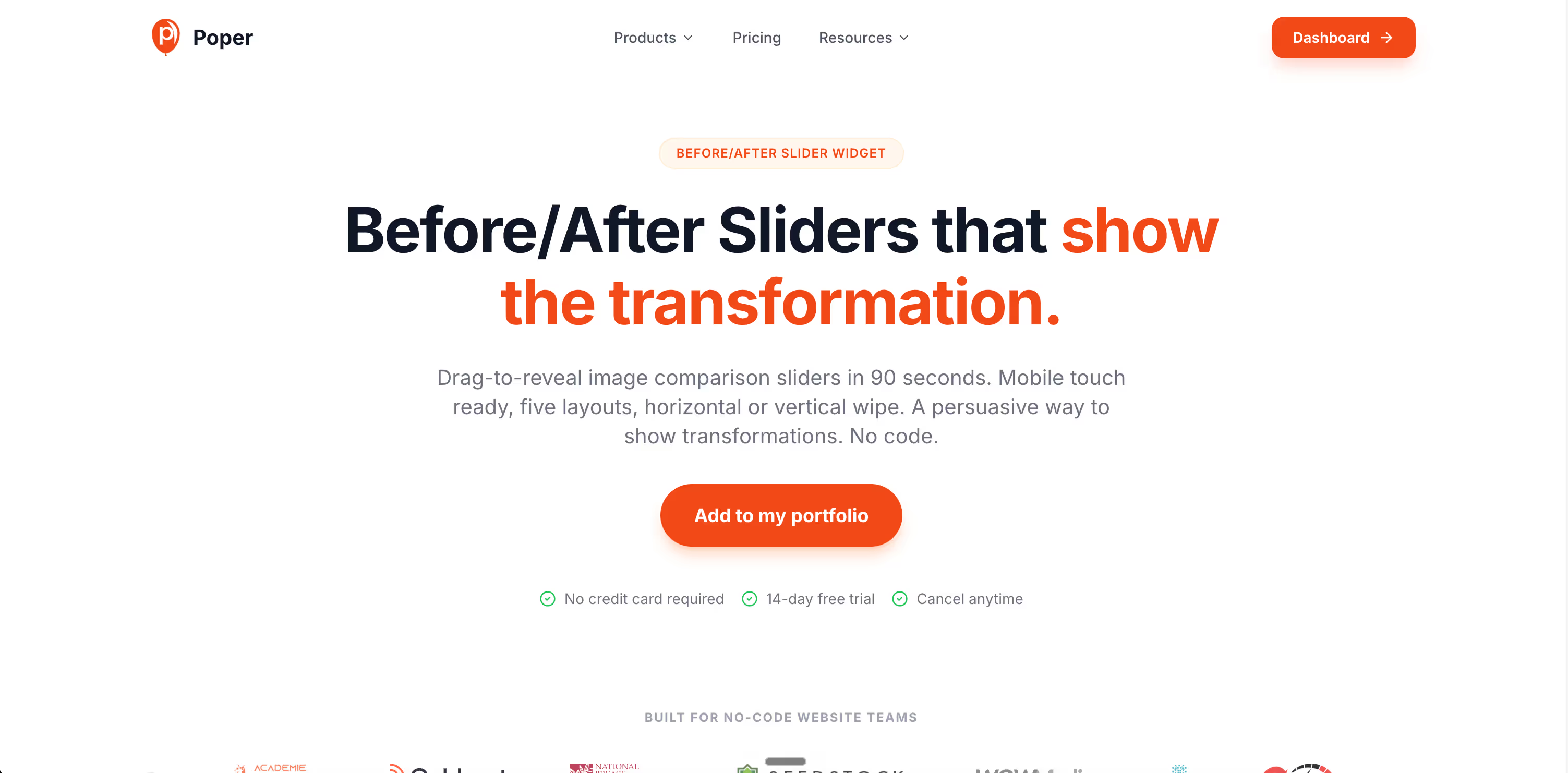
With Poper's Before-After Slider widget, you can control the labels, layout, and placement without code. My recommendation for fitness brands is simple: label the frames neutrally, use the same image dimensions, place context directly below the slider, and link to a deeper story when the transformation needs explanation.
If you want broader inspiration, our guide to before-after slider examples shows how different industries use the format without relying only on body transformation.
What to Avoid Completely
Some patterns are not worth the risk. I would avoid them even if they perform well in the short term.
Do not use stock, actor, scraped, or AI-generated bodies as client transformations.
Do not darken, blur, crop, stretch, retouch, or pose the "before" image to make the change look larger.
Do not imply that a result came only from your program if medication, surgery, extreme dieting, illness, or outside coaching materially contributed.
Do not use countdown pressure beside body-insecurity messaging, such as "fix your body before summer."
Do not publish minors' weight-loss transformations as promotional proof.
If those rules make a campaign feel less dramatic, that is probably a sign they are doing their job. Weight loss before after marketing ethics should slow down the most aggressive ideas before they reach a vulnerable viewer.
A Better Way to Show Transformation
The best fitness transformation pages I have seen do not rely on one dramatic image. They show the person's goal, the starting context, the process, the support system, the timeline, and the outcome. The visual proof is one part of the story, not the whole story.
That approach also makes your marketing stronger. A buyer who sees the process can imagine the work. They understand whether the program fits their life. They see that the result came from habits, coaching, time, and support, not magic. That is better weight loss before after marketing ethics, and it is better conversion strategy too.
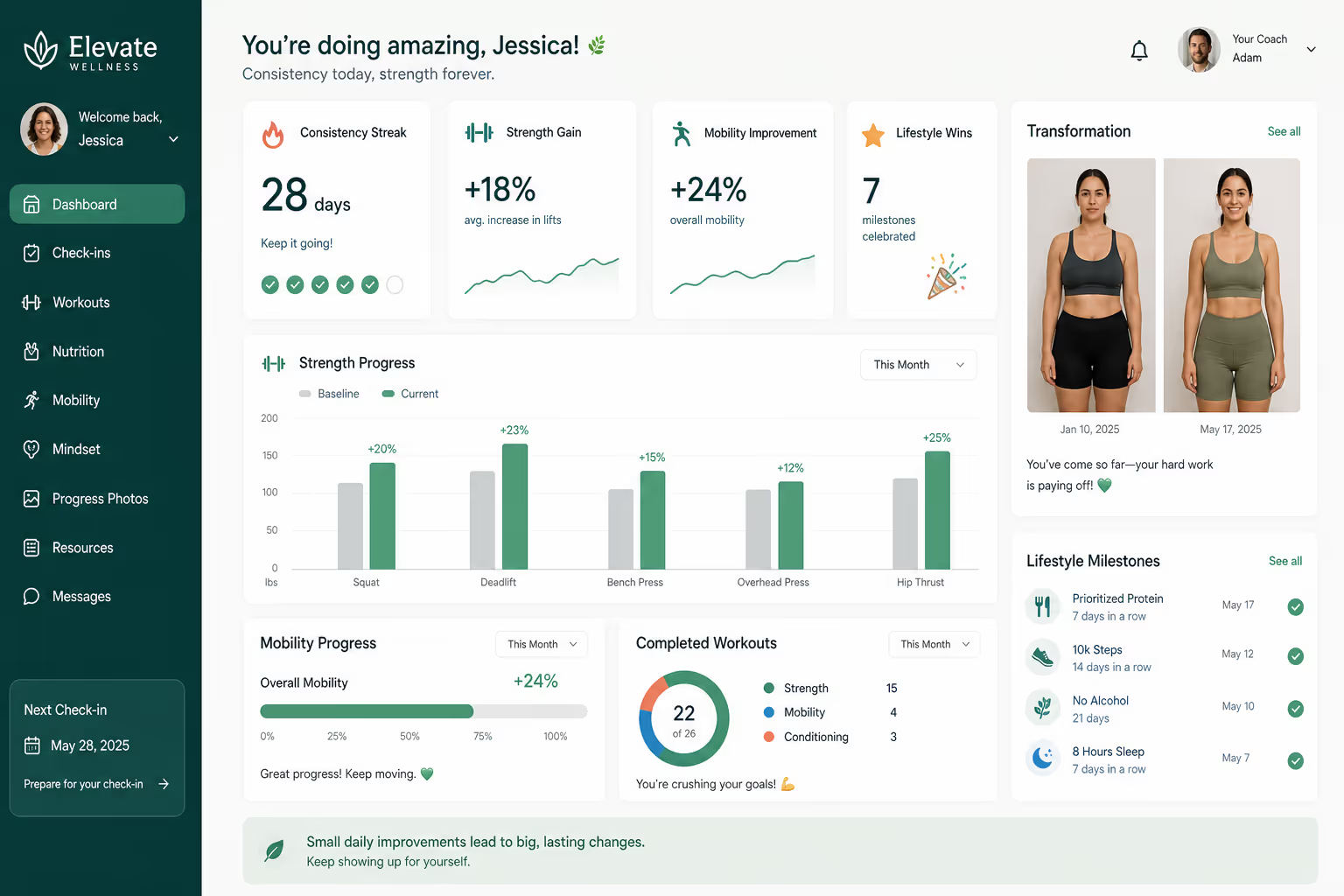
You can also diversify proof. Use client interviews, habit dashboards, strength milestones, mobility wins, waist measurement changes where appropriate, nutrition adherence, attendance streaks, and testimonials about how the person feels. When a brand shows more than body size, it signals that the program values more than appearance.
The Standard We Should Hold Ourselves To
Here is the standard I would use: publish transformation content only when it is true, consented, contextual, respectful, and useful. If it fails any one of those, do not publish it yet.
Weight loss before after marketing ethics is not about making fitness marketing dull. It is about refusing to win attention by making someone feel smaller. The brands that will last are the ones that can prove outcomes while protecting dignity.
So yes, use transformation photos when they are real and responsibly framed. Use sliders when they make the comparison clearer. Use client stories when the client truly wants to share. But keep the person bigger than the proof. That is the line I would rather build a brand on.