
Knowing how to make tournament bracket pages is no longer just a sports-admin task. Youth sports participation is rebounding, school athletics just hit a record high, and casual competitions now run through classrooms, creator communities, Discord servers, gyms, and brand campaigns. The bracket is the operating system for all of them.
Quick Take: Pick the format before the tool: single elimination for speed, double elimination for fairness, and round robin for maximum play time.
Why the bracket format matters before the bracket maker
A tournament bracket is not just a visual tree. It decides who gets eliminated, how many matches you must host, how fair the outcome feels, and whether participants stay engaged after their first loss.
The demand is real. The Aspen Institute's State of Play report says 55% of U.S. youth played organized sports in the most recent federal data year, and 65% tried a sport at least once.[^1] NFHS also reported an all-time high of 8,266,244 high school sports participants.[^2] More events mean more organizers need to know how to make tournament bracket workflows without spreadsheet chaos.
The format choice is the first decision because every other decision depends on it — venue count, match duration, tiebreakers, seeding, streaming schedule, and whether the final feels legitimate. If you only remember one rule about how to make tournament bracket pages, remember this: the format is the strategy.
| Format | Best for | Main tradeoff | Organizer risk |
|---|---|---|---|
| Single elimination | Fast events, large fields, one clear winner | One bad game ends a team's run | Low match count, high upset risk |
| Double elimination | Competitive events where one loss should not decide everything | More games and a more complex final | Bracket confusion if the losers side is not explained |
| Round robin | Small groups, classrooms, leagues, fair ranking | Match count grows quickly | Tiebreakers can decide the winner |
Embed A Working Bracket On Your Own Site
Once the format is settled, the bracket still has to live somewhere entrants can reach between matches. Poper's Bracket Maker widget gives you an interactive bracket you paste onto your own page with one script tag, no plugin and no developer.
<script id="poper-js-script" data-account-id="YOUR_ACCOUNT_ID" src="https://app.poper.ai/share/poper.js" defer></script>Use single elimination when time is the constraint
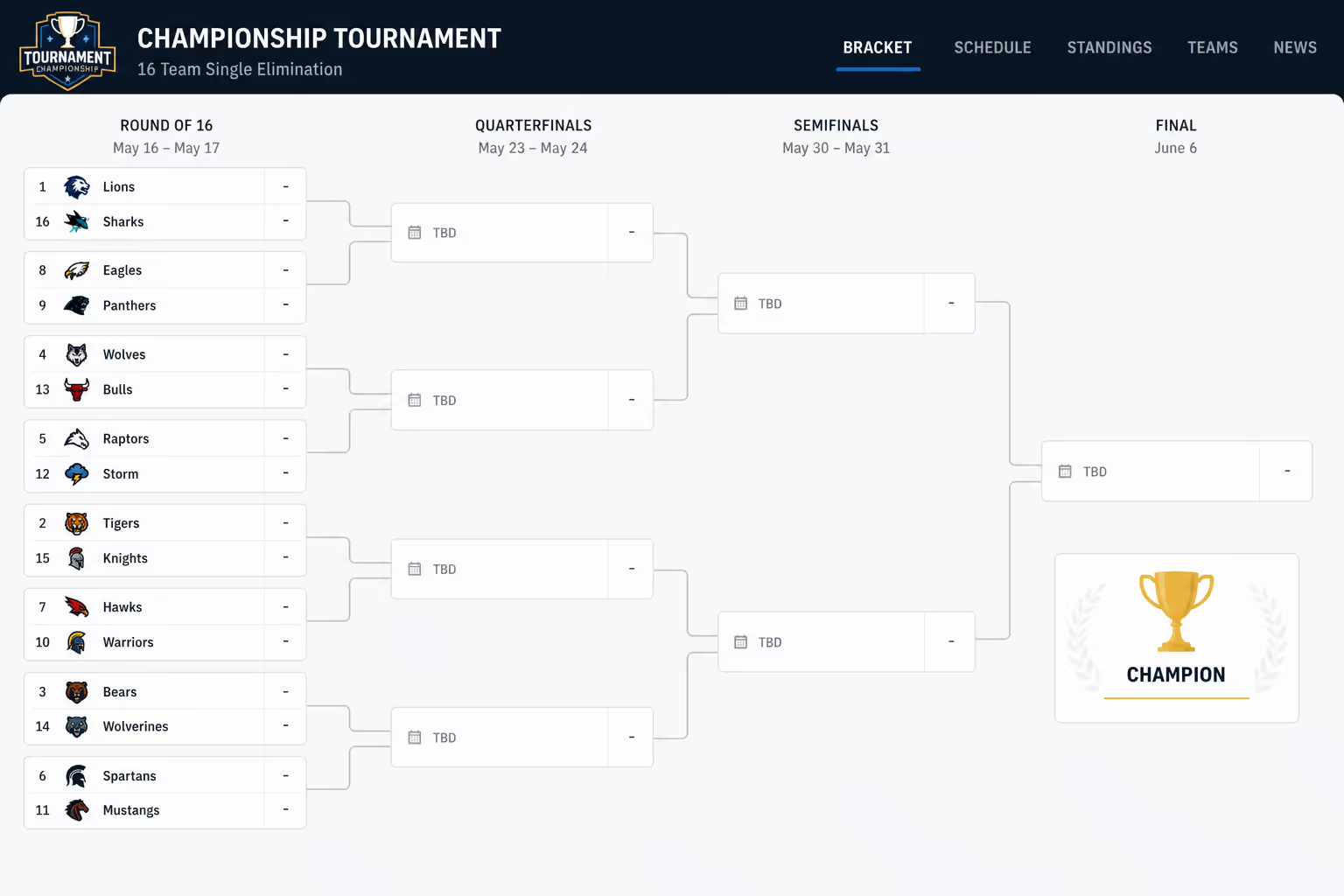
Single elimination is the cleanest answer when you need how to make tournament bracket decisions fast. Each matchup produces one winner, the loser exits, and the bracket moves toward a final with minimal scheduling overhead.
This is why the format dominates events that need drama and simplicity. The public understands it instantly: win and advance, lose and leave. The NCAA's official March Madness bracket remains the cultural model, and the association announced that the DI men's and women's tournaments will expand to a 76-team bracket starting in 2027.[^3]
Use this setup when:
You have 16, 32, 64, or another large number of entrants.
You have limited courts, tables, stations, or broadcast windows.
You care more about pace than guaranteed play time.
You can tolerate a strong team being eliminated by one upset.
The implementation is straightforward. Seed the field, place the highest seed against the lowest seed, add byes if the entrant count is not a power of two, and move winners forward until one champion remains. This is the simplest version of how to make tournament bracket assets because every line has one job: advance the winner.
Use double elimination when fairness matters more than speed
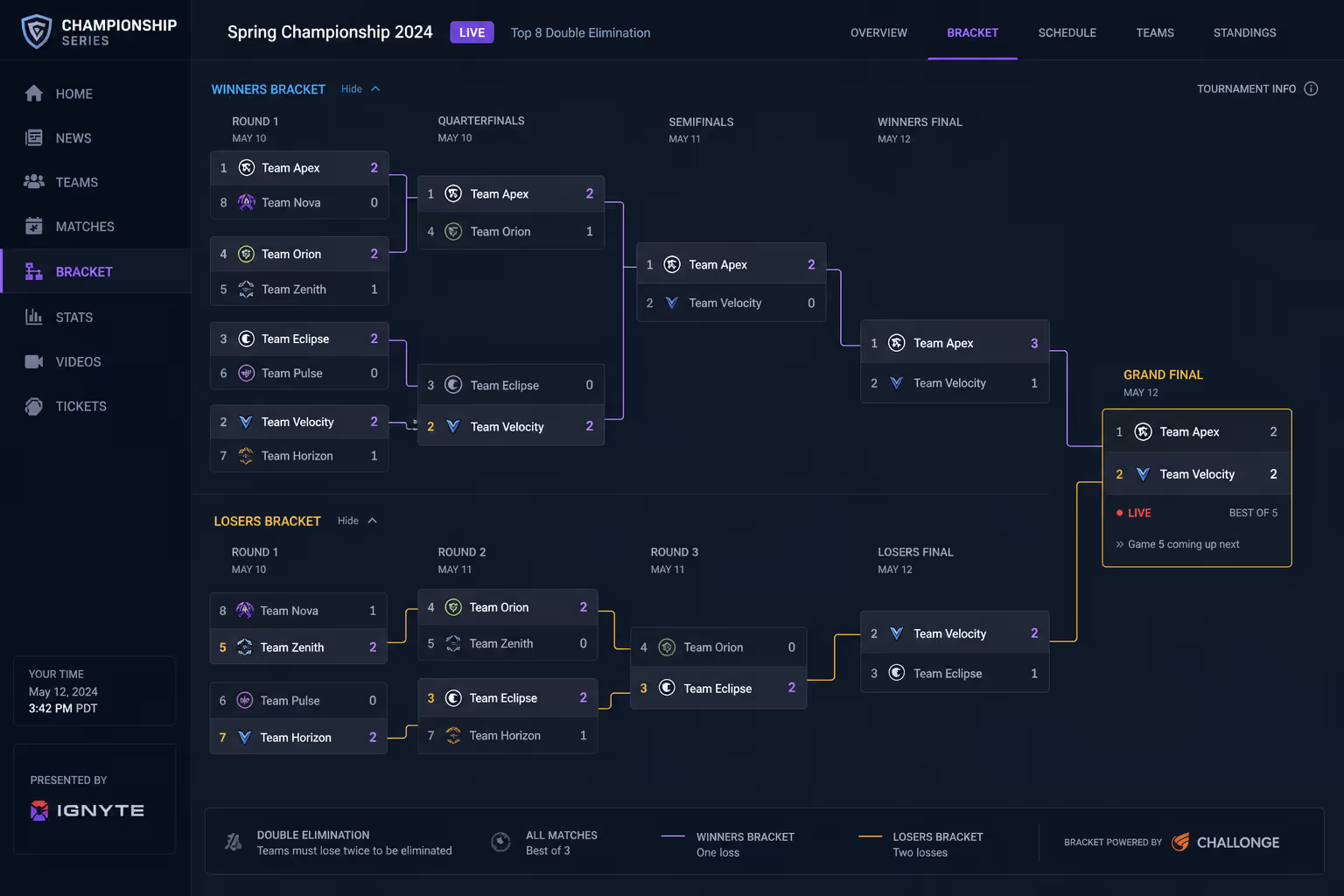
Double elimination answers the biggest complaint about single elimination: one mistake should not erase a full event. A participant must lose twice before being removed, which creates a winners bracket and a lower bracket. For organizers comparing how to make tournament bracket formats, this is the fairness-first option.
That extra fairness costs complexity. Online tools such as Challonge and Bracket HQ support single and double elimination brackets because the format is hard to maintain by hand once scores start moving.[^4][^5] If you are learning how to make tournament bracket systems for esports, school playoffs, or serious club events, use software for this format.
A bracket fails when participants understand the results but not the path. Double elimination needs visible labels, not just lines.
The practical setup for how to make tournament bracket double-elimination flows is this:
Create the winners bracket exactly like single elimination.
Move each losing participant into the matching lower-bracket slot.
Keep lower-bracket participants alive until their second loss.
Run the grand final between the winners-bracket finalist and lower-bracket finalist.
Decide in advance whether the lower-bracket finalist must beat the undefeated finalist twice.
That last rule is the one organizers forget. If the winners-bracket finalist has zero losses, a single grand-final loss gives both finalists one loss. Some events require a bracket reset. Others use one final for simplicity. State the rule before the tournament starts.
Use round robin when every participant should play everyone
Round robin is the fairest format for small fields because every participant plays every other participant. It works beautifully for four to eight teams, classroom competitions, local leagues, product voting rounds, and internal company events. It is the version of how to make tournament bracket planning where standings matter more than knockout drama.
The downside is math. With 10 teams, a single round robin creates 45 matches. With 16 teams, it creates 120. That is why bracket tools and schedule generators now combine bracket creation with venue assignment, match timing, score updates, and exports.[^6]
If your event has too many entrants for a full round robin, split the field into groups. Run round robin inside each group, rank participants by points, then send the top teams into a single-elimination playoff. This hybrid keeps fairness in the early stage and drama in the final stage.
Put The Bracket Where Entrants Already Look
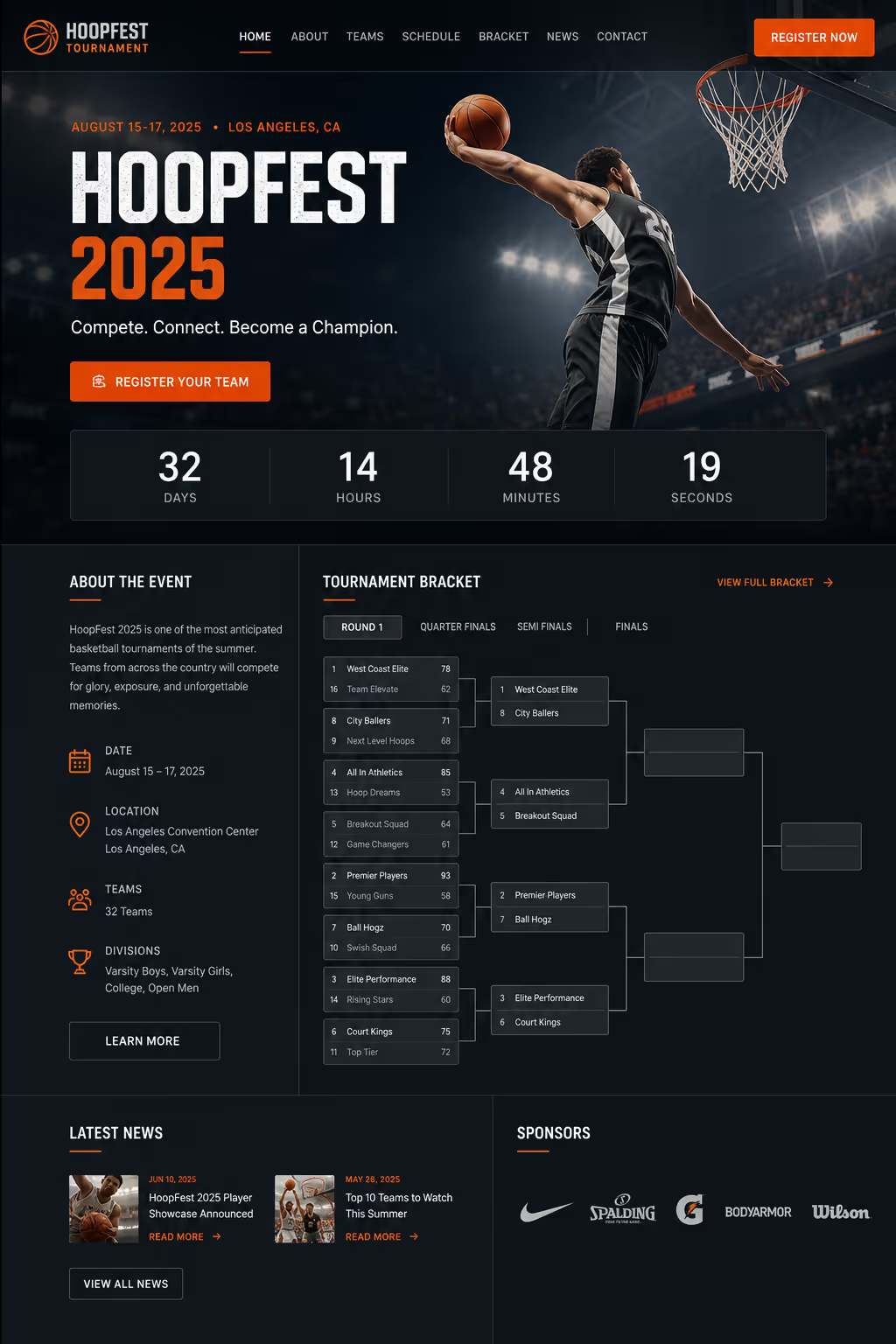
Single elimination, double elimination, and round robin all end in the same place: a page people refresh between matches. Build that page once in Poper and edit the bracket from your dashboard instead of hand editing HTML on event day.
Build the bracket in six steps
The actual process for how to make tournament bracket pages is simple once the format is locked. The mistake is jumping into a generator before the rules are ready.
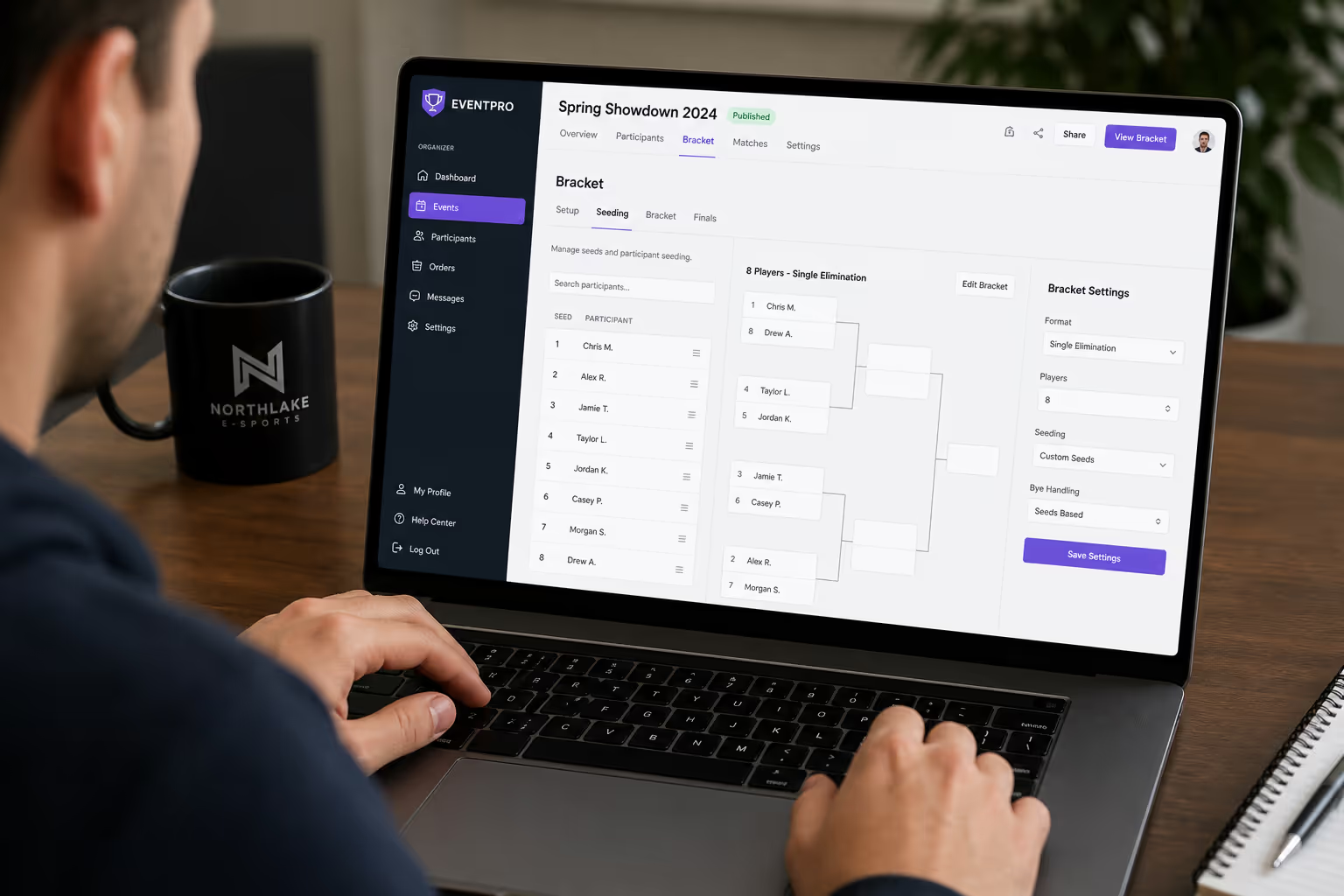
List every participant with the exact display name you want public.
Choose the format: single elimination, double elimination, round robin, or a hybrid.
Set seeding rules: manual seed, random seed, rating-based seed, or registration order.
Write tiebreakers before the first match starts.
Add match metadata: date, time, venue, court, stream link, or judge.
Publish the bracket where participants can check it without asking the organizer.
For tiebreakers, keep the order short. Win-loss record first. Head-to-head second. Point differential third. Points scored fourth. Coin flip or organizer decision last. A long tiebreaker stack looks precise, but it usually creates more arguments than clarity.
What this means for your stack
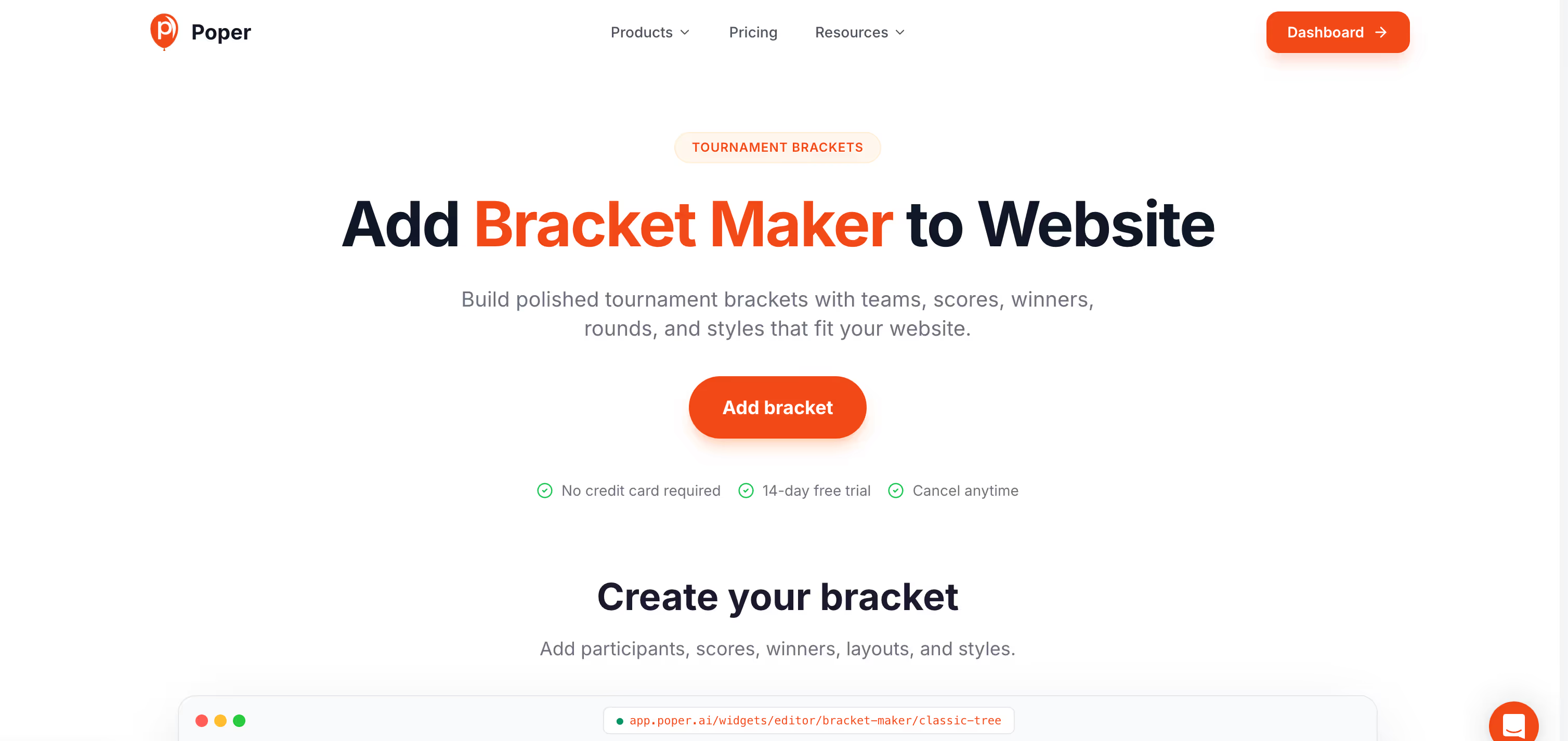
Poper's Bracket Maker widget is built for the public-facing layer of this workflow. You can create an interactive bracket, embed it on your site, and keep participants on the same page as your signup form, schedule, sponsor blocks, or livestream.
That matters because a tournament is also an engagement surface. Pair the bracket with a Countdown widget before registration closes, a Social Proof widget during signups, or the broader Poper widget library if the event needs voting, forms, leaderboards, or updates.
The point is not just to know how to make tournament bracket assets. The point is to make the bracket visible at the exact moment participants, fans, or customers are ready to act.
The bottom line
The best bracket is the one that matches your constraint. Single elimination saves time. Double elimination protects fairness. Round robin gives everyone more meaningful play. Once that choice is clear, the bracket maker is just the publishing layer — not the decision maker.
If you need how to make tournament bracket pages for a website, start with the format, write the rules, seed the field, and embed the result where participants already are. That order prevents most bracket-day problems before the first matchup starts. The cleanest answer to how to make tournament bracket pages is not a prettier chart. It is a format your audience can understand in seconds.
Sources
Ship The Bracket Before Registration Opens
Lock the format, write the tiebreakers, then embed the bracket on the same page where entrants sign up. Poper gives you the widget, the install snippet, and the popups for registration reminders in one account.
Create Your Free Poper AccountFree plan, no credit card required.