
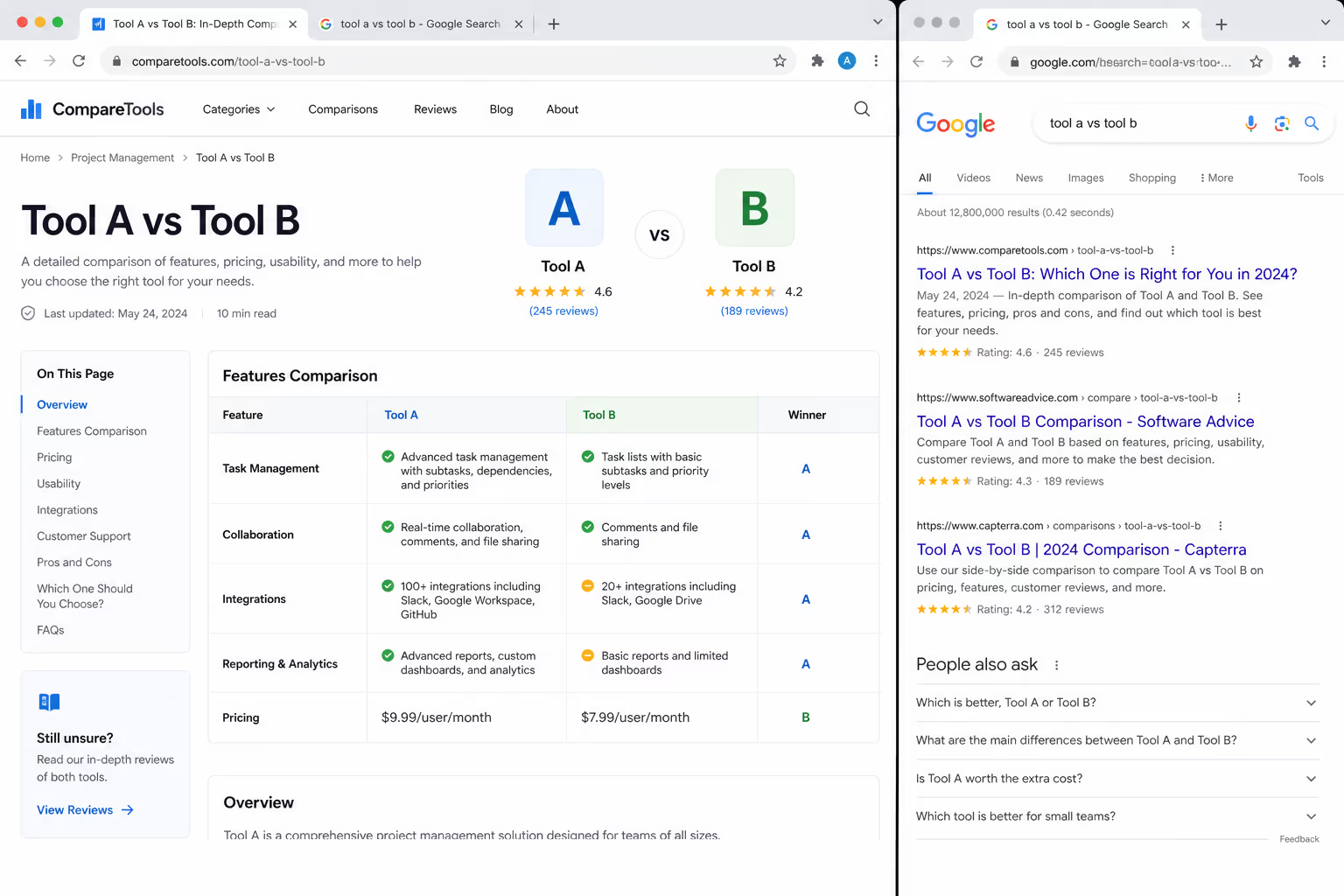
Last year I published a page comparing two project tools, the classic "Tool A vs Tool B" post that every content team eventually writes. It ranked on page one within a month, and I was thrilled for about a week. Then I checked the numbers. My clicks were flat while a competitor sitting one spot below me was clearly eating my traffic.
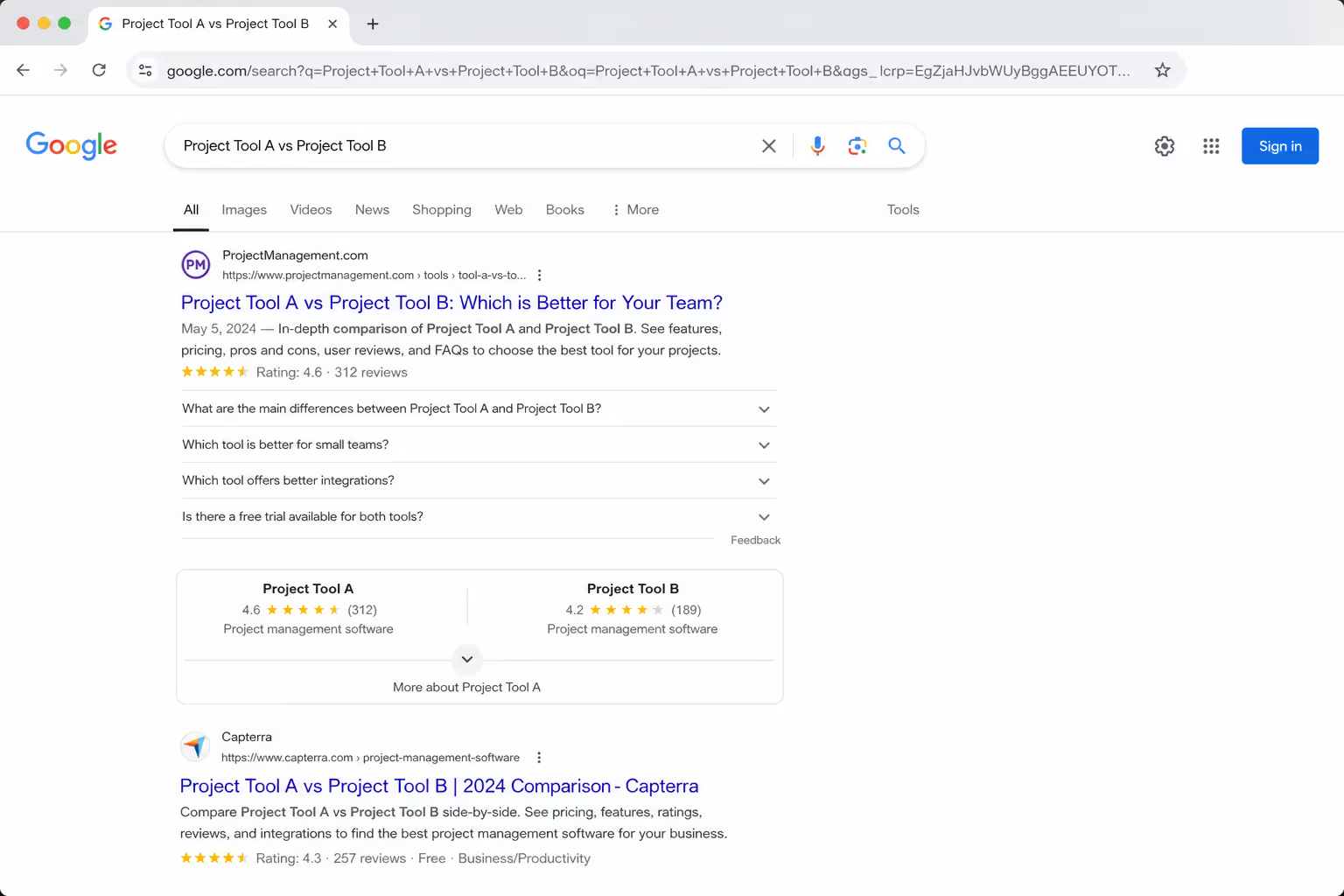
When I looked at the SERP on my phone, the reason was obvious. Their result had a clean star rating and a little preview table pulled straight from their page. Mine was a plain blue link. That was the day I got serious about comparison table SEO schema.
Here is the short version of what I learned. Ranking for a versus query is only half the battle. The other half is how your result looks once it gets there, and that look is decided by the structured data on your page. In this post I want to walk you through how comparison table SEO schema works, why "vs" searches are worth fighting for right now, and how I set up markup on a comparison table so it earns the richer result instead of the boring one.
Why "vs" Searches Are Worth the Effort in 2026
Before we touch any code, it helps to know why this traffic is so valuable. Versus queries sit at the bottom of the funnel. Someone typing "X vs Y" is not browsing. They are deciding, and they are close to buying. That intent is exactly what a comparison table SEO schema strategy is built to capture.
The volume is there too. According to research from SparkToro and Datos, Google search volume grew roughly 21.6 percent year over year, with more than five trillion searches in the year. Comparison and "best" style queries make up a growing slice of that, because people research more before they commit.
Buyer behavior backs this up. A Gartner sales survey found that 61 percent of B2B buyers prefer a rep-free buying experience, meaning they want to compare vendors on their own terms before ever talking to sales. A well marked up comparison table is how you meet those buyers in the exact moment they are weighing you against a rival.
It gets more pointed. Forrester's Buyers' Journey Survey, covered by Digital Commerce 360, reported that 92 percent of buyers start with at least one vendor in mind and 41 percent already have a single preferred vendor before formal evaluation. Their conclusion was blunt: modern buying is a process of confirmation, not selection. If your comparison content shows up first and looks trustworthy, you become the vendor they confirm.
Ship The Visible Table Before You Write Any Markup
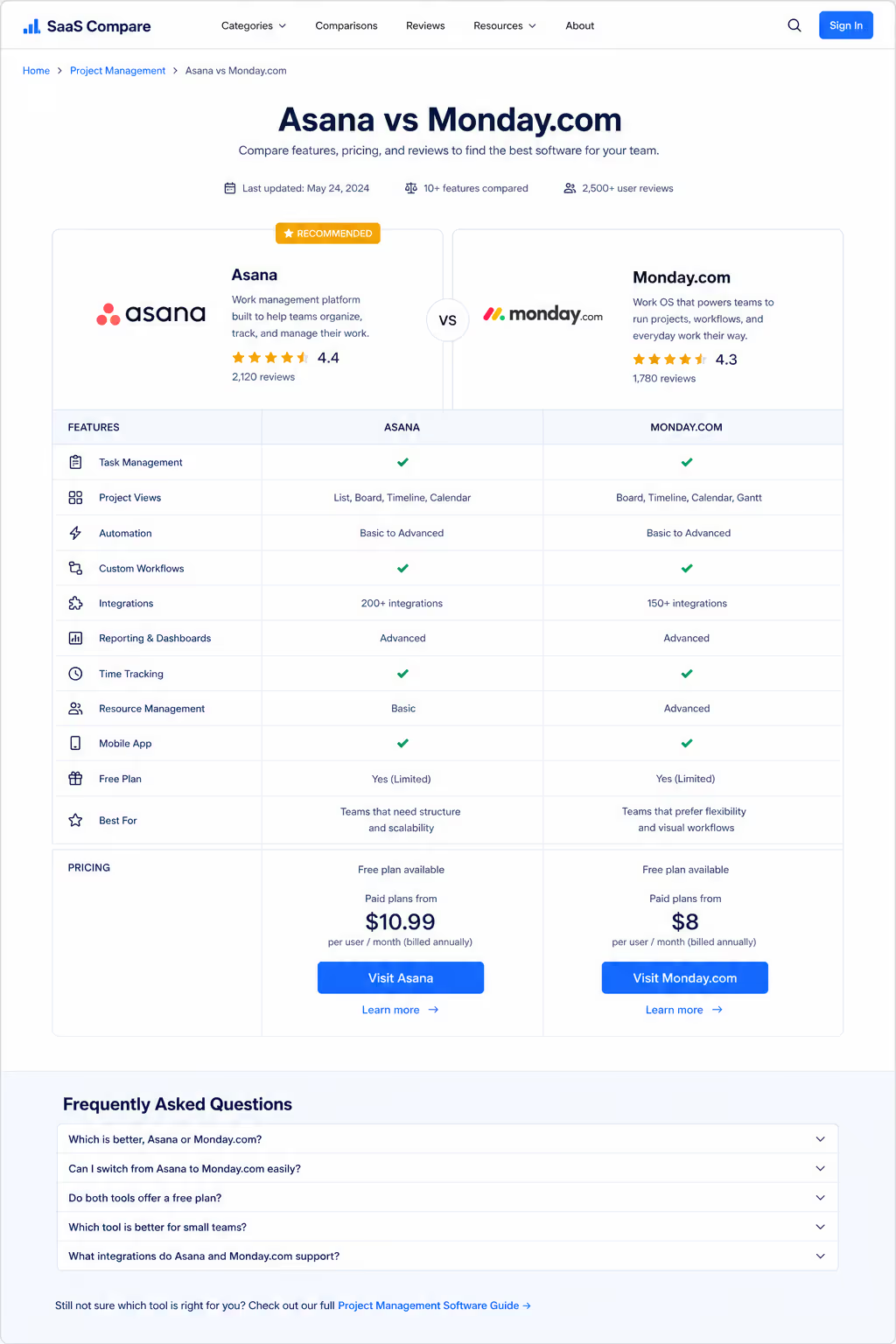
A versus page needs a real table first, and that part does not have to be hand coded. Poper's Comparison Table widget lets you define the rows, highlight the option you recommend, and embed the result with one script tag on WordPress, Shopify, Webflow, Wix or plain HTML.
<script id="poper-js-script" data-account-id="YOUR_ACCOUNT_ID" src="https://app.poper.ai/share/poper.js" defer></script>What Comparison Table SEO Schema Actually Does
Let me clear up a common misunderstanding. Comparison table SEO schema does not magically push you up the rankings. Structured data is not a ranking factor you can dial up like a volume knob. The Semrush Ranking Factors Study, which analyzed 16,298 keywords across more than 300,000 search results, found that text relevance carried the strongest content correlation with rankings. Schema was not the lever there.
So what does it do? Comparison table SEO schema makes your page machine readable. It hands Google a clean, labeled version of what your table says: these are the products, these are the features, this is the rating. That clarity is what makes your page eligible for rich results, the star ratings, product details, and expandable answers that make a listing stand out. Google still decides whether to show them, but you cannot win a prize you never entered.
I want to be honest about the limits, because the SEO world is full of hype. A 2026 study from Ahrefs tracked 1,885 pages that added JSON-LD schema against a control group and found no meaningful lift in AI citations. Google AI Overviews actually dipped 4.6 percent, while AI Mode and ChatGPT changes were statistically indistinguishable from zero. The takeaway is not that schema is useless. It is that you should treat comparison table SEO schema as a tool for cleaner presentation and rich-result eligibility, not as a guaranteed hack for AI answers.
The Building Blocks of a Marked Up Comparison Table
When I add comparison table SEO schema to a page, I am not marking up the visual table itself with obscure tags. I am adding a JSON-LD block that describes the things I am comparing. A comparison table usually pits products, tools, or services against each other, so the schema types that matter most are the ones that describe those items and any ratings or questions around them.
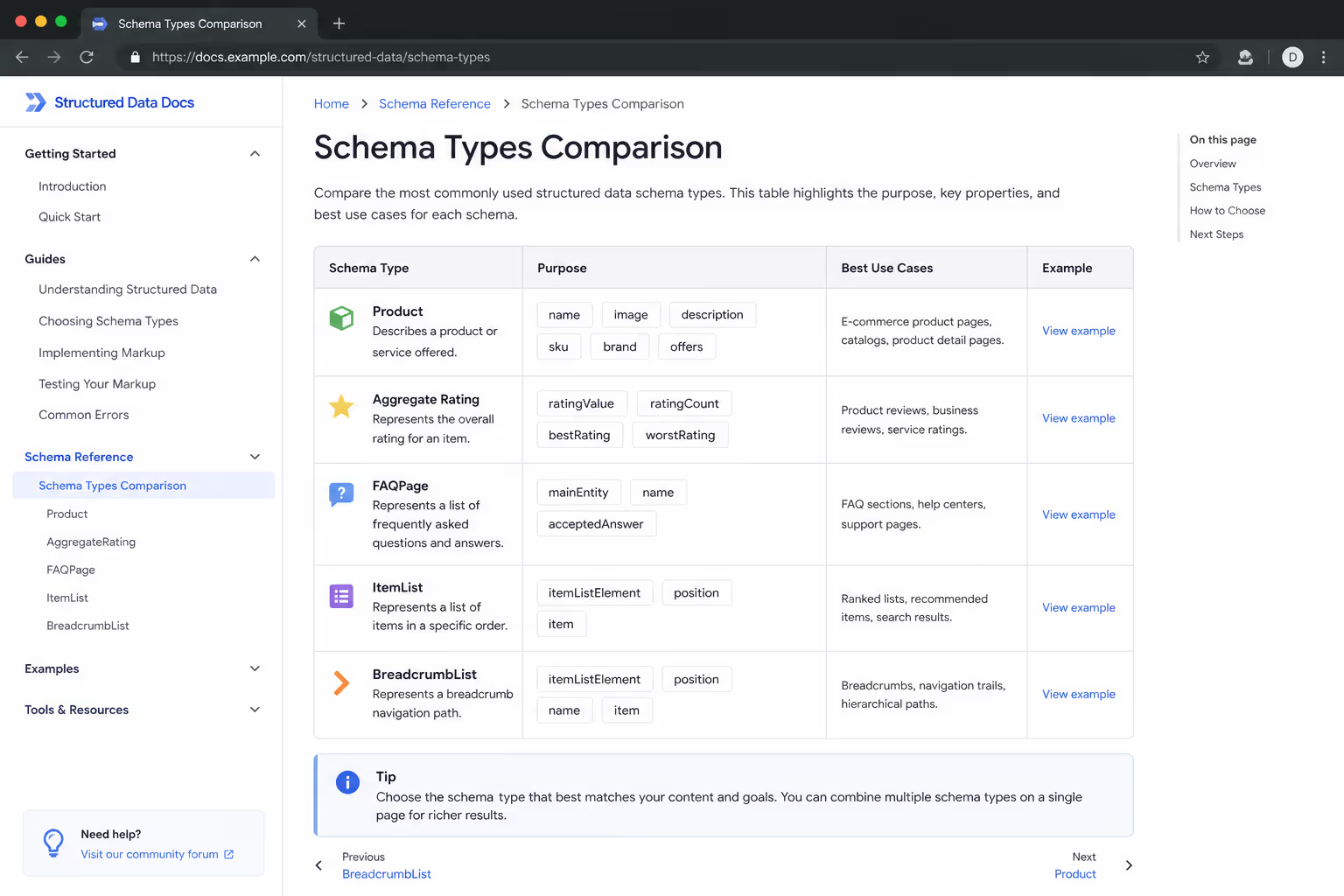
Here is how I think about which schema type carries which job on a versus page.
| Schema Type | What It Describes | Rich Result It Can Unlock |
|---|---|---|
| Product | Each item in the comparison table, with name, description, and offers | Product snippets with price and availability |
| AggregateRating and Review | The score you or your users give each option | Star ratings under your listing |
| FAQPage | Common "is X better than Y" questions below the table | Expandable question and answer results |
| ItemList | The ordered set of options in your comparison table | Carousel or list style presentation |
| BreadcrumbList | Where the comparison page sits in your site structure | Breadcrumb trail in the result |
You do not need every one of these. For most versus posts I lean on Product plus AggregateRating for the items, then FAQPage for the questions people ask underneath the comparison table. That combination covers the two things a searcher wants at a glance: how the options score and the quick answers to their sharpest doubts.
How I Set Up Comparison Table SEO Schema Step by Step
The process is more straightforward than it sounds. I keep it to a simple rhythm so I do not overthink it. Here is the exact order I follow on a new comparison table.
Build the visible table first. Write real, honest rows comparing each option so a human gets full value even with zero schema.
Add a JSON-LD block in the page head or body. Describe each product in the comparison table, then attach an AggregateRating to each one if you have real scores.
Mark up your FAQ. Take the three or four questions buyers actually ask about this matchup and wrap them in FAQPage schema.
Keep the schema and the page in sync. The markup must match what a visitor sees. Rating a product 4.8 in schema while the page shows 3.9 is the fastest way to get penalized.
Validate before you ship. Run the URL through Google's Rich Results Test and fix every warning until it comes back clean.
That last step matters more than people expect. Invalid comparison table SEO schema is worse than none, because Google simply ignores it and you get nothing for the effort. A two minute validation check is cheap insurance.
Stop The Table And The Markup From Drifting Apart
The failure described above is drift: the table gets edited and the JSON-LD quietly stays behind. Editing the rows in one place makes the rest of this list much easier to hold to.
- Keep the comparison rows in a single widget instead of scattered HTML, so there is one source of truth to mirror in the markup
- Only mark up ratings you actually collected, and show the same numbers on the page
- Publish the FAQ questions as visible text before you wrap them in FAQPage schema
- Re-run the Rich Results Test after every table edit, not only at launch
- Give the reader who has decided somewhere to go, with an exit intent popup or an email capture on the same page
A No-Code Way to Ship a Comparison Table
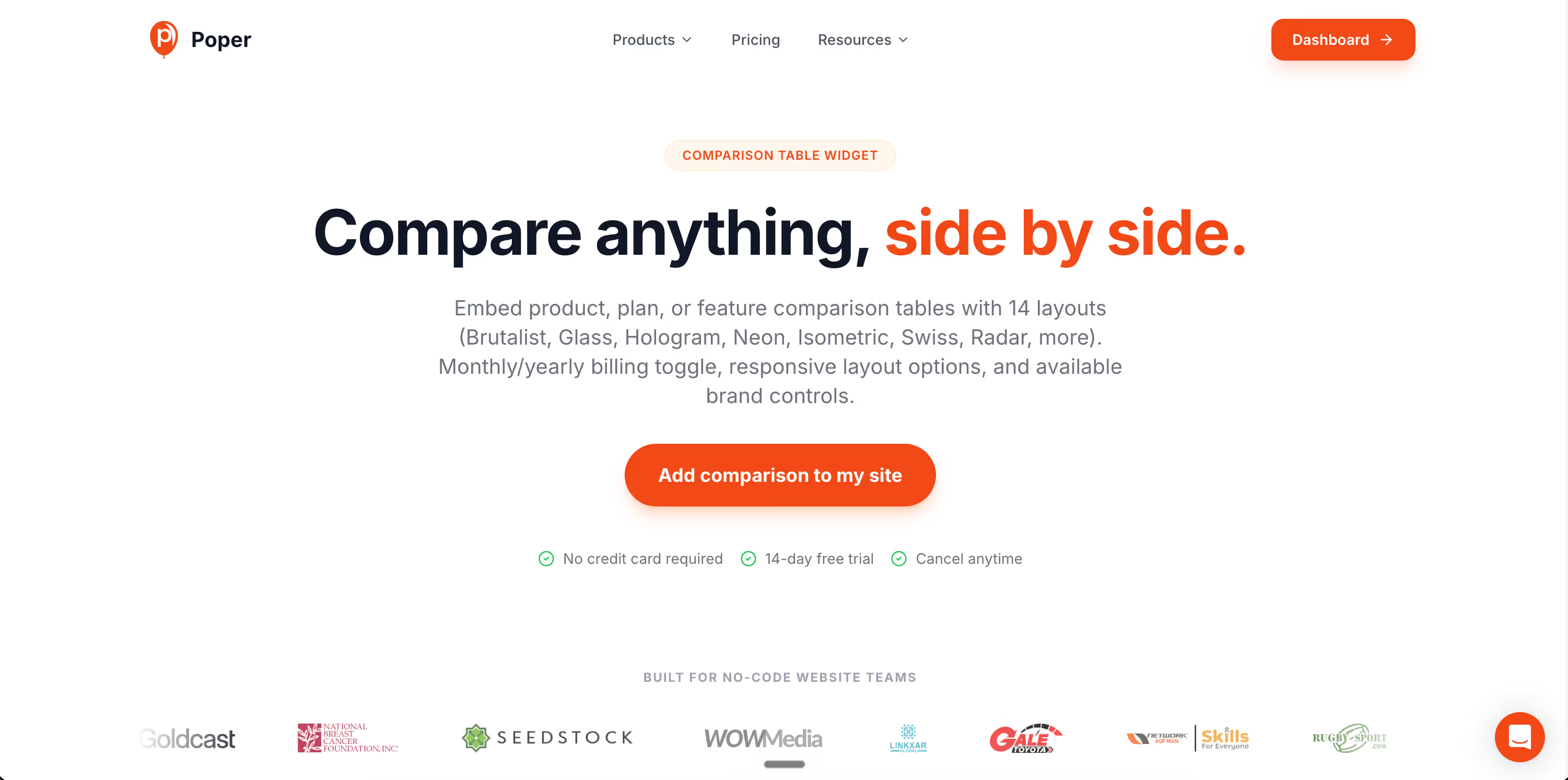
Here is the part that trips up non-developers. Writing clean JSON-LD by hand is fiddly, and keeping it aligned with a table you edit often is a maintenance chore. This is exactly where a purpose built widget saves you.
At Poper we built a Comparison Table widget that you can drop onto WordPress, Shopify, Webflow, or any site without touching code. You design the rows, style the recommended option, and embed it in minutes. Because the content lives in one clean structure, it is far easier to pair with your comparison table SEO schema and keep the two in agreement. You can also wrap the same page with exit-intent popups and lead capture, so a visitor who just decided you win the "vs" battle has an obvious next step. That mix of a real comparison table plus schema plus lead capture on one surface is what turns a ranking page into a converting one.
Common Mistakes That Waste Your Schema
I have reviewed a lot of versus pages, and the same errors show up over and over. The most frequent one is marking up ratings the site never actually collected, which is against Google's guidelines and risks a manual action. Another is stuffing FAQPage schema with questions that are not visible on the page. A third is letting the comparison table drift out of sync with the schema after an edit, so the markup describes a version of the page that no longer exists.
None of these are hard to avoid. They come from treating comparison table SEO schema as a bolt-on afterthought instead of a description of the truth on your page. Keep the markup honest and current, and you sidestep almost every risk.
Putting It All Together
Winning the "vs" SERPs is not about gaming an algorithm. It is about showing up for high intent buyers with content that is both genuinely useful and cleanly described. Versus searches are growing, buyers increasingly decide on their own before they ever contact you, and the result that looks the most trustworthy in that moment tends to win the click.
Comparison table SEO schema is how you earn that trustworthy look. Build an honest comparison table, describe it with Product, rating, and FAQ markup, keep the two perfectly in sync, and validate before you publish. Do that consistently and your versus pages stop being plain blue links. They start looking like the obvious answer, which, if you did the comparison work well, they already are.
Turn Versus Readers Into Signups
A versus page brings you people who have already narrowed the field. Poper gives you the comparison table widget to lay the choice out clearly, plus exit intent popups, email capture and A/B testing, so the reader who just picked you has an obvious next step instead of a back button.
Start Free With Poper160+ embeddable widgets, one snippet install, no credit card required.