
High-resolution product images convert 94% higher than low-quality ones, according to a 2026 ecommerce photography roundup. That one number reframes the whole before after photo conversion rate problem, the gap is rarely your offer, it is your camera. A blurry transformation shot taxes every visit. A sharp, honest pair compounds trust.
Quick Take: Before-after photos convert by proving a change the viewer controls. Shoot both frames identically, label them clearly, and your before after photo conversion rate rises on trust, not hype.
Why Before-After Photos Beat a Single Image
A single "after" shot asks for belief. A before-after pair offers evidence. The viewer compares the two states themselves, and that small act of judging is what builds conviction.
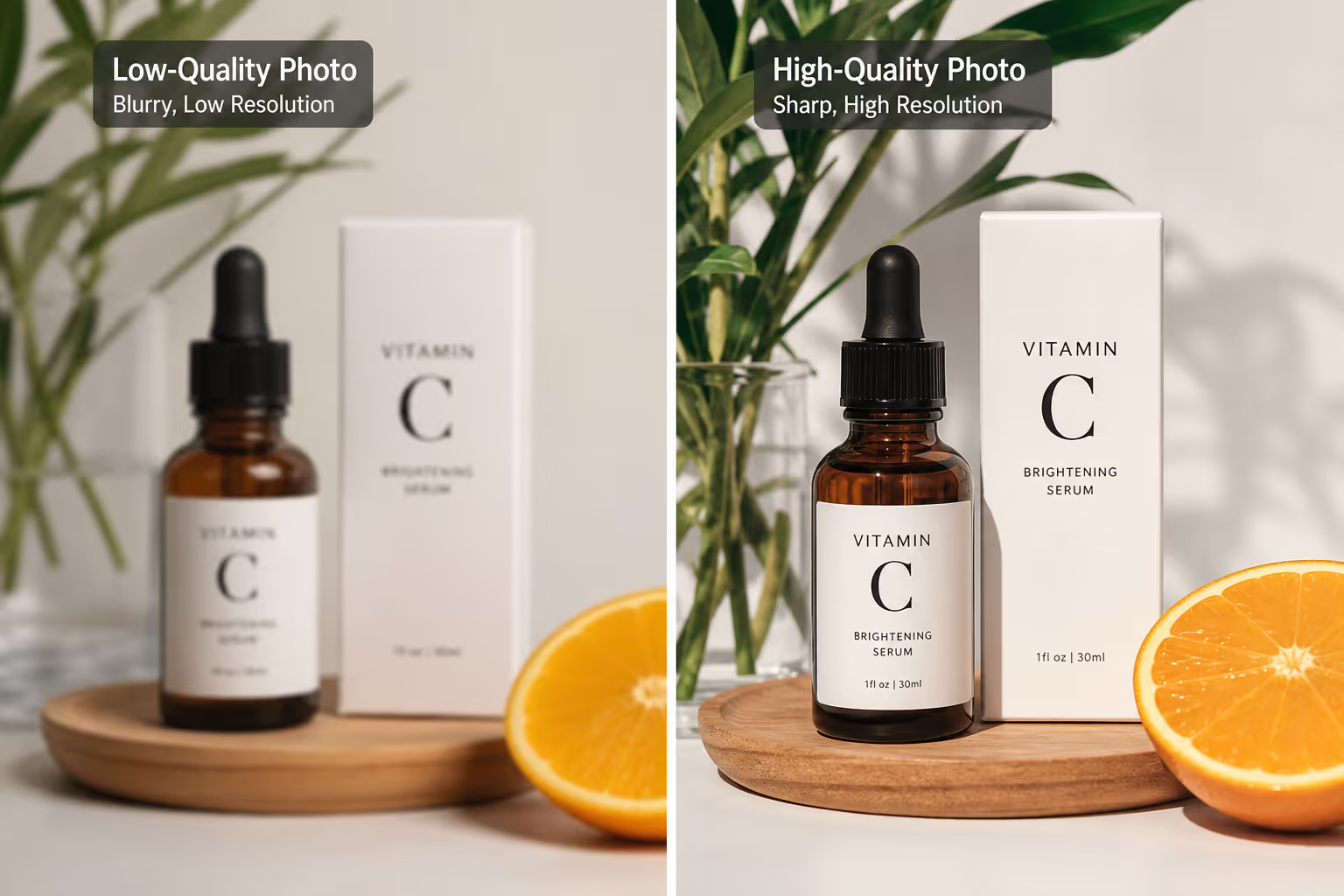
The data sits behind this. A 2026 product photography analysis found that 67% of online shoppers rank photo quality as the most crucial factor when researching a purchase, ahead of price and reviews for first-time buyers. When the photo is the deciding signal, a comparison that the viewer can scrutinize carries more weight than a lone hero image.
Human and proof-driven imagery moves the needle hard. In a 2026 conversion roundup, VWO documented an A/B test where swapping generic art for real, identifiable photography lifted conversions by 95%. Before-after pairs work on the same mechanism — they replace a claim with something the visitor can verify.
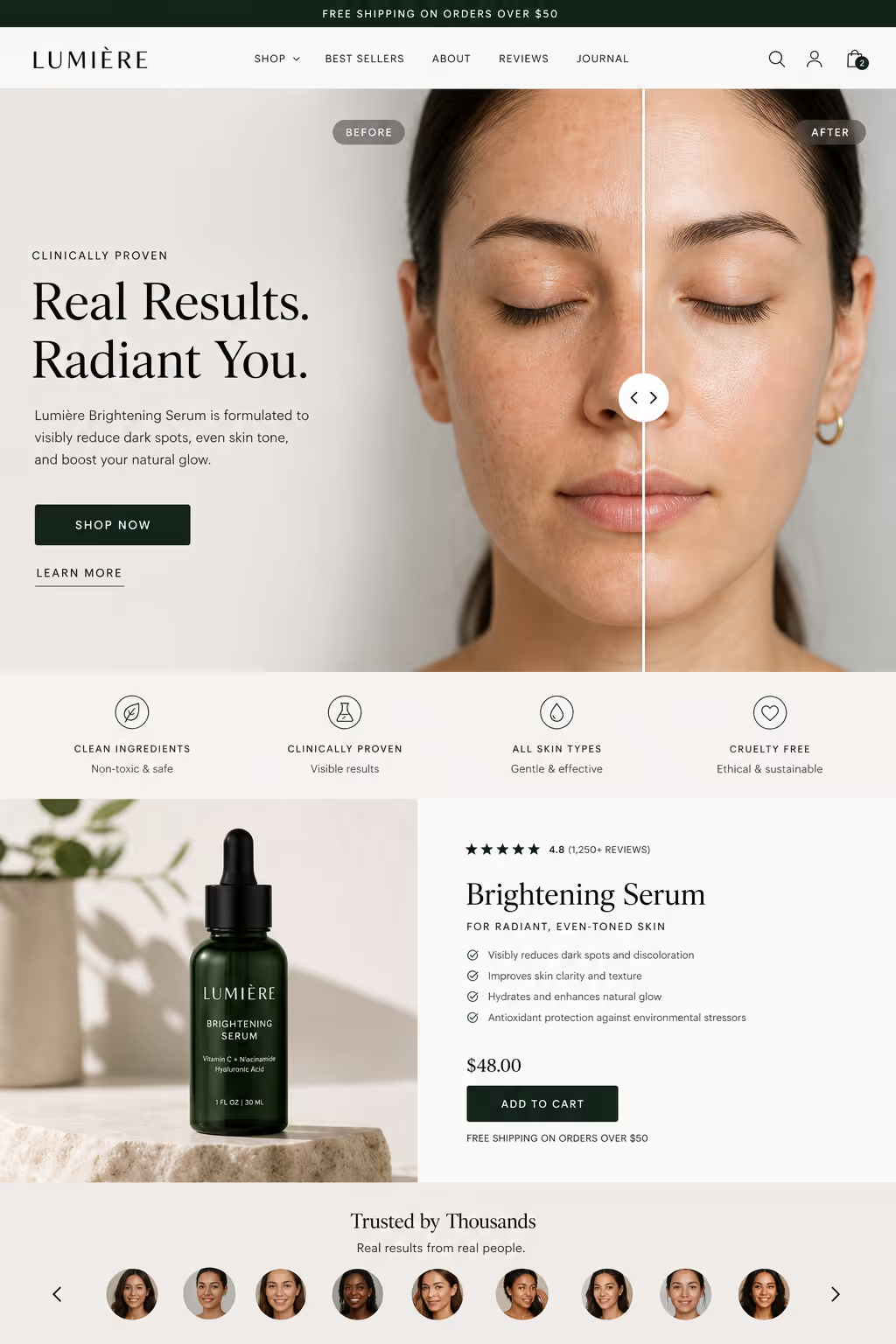
The format matters as much as the content. Here is how the common options stack up on the signals that drive a before after photo conversion rate.
| Image format | What the viewer does | Conversion signal |
|---|---|---|
| Single low-res photo | Squints, doubts, leaves | Weakest — low-res converts far below sharp images |
| Single high-res "after" | Admires, but cannot verify change | Strong on polish, thin on proof |
| Static before/after side-by-side | Compares two fixed frames | Good — direct evidence, no interaction |
| Interactive before/after slider | Drags the handle, reveals the change | Strongest — participation builds belief |
Shoot the Two Frames as One Shot
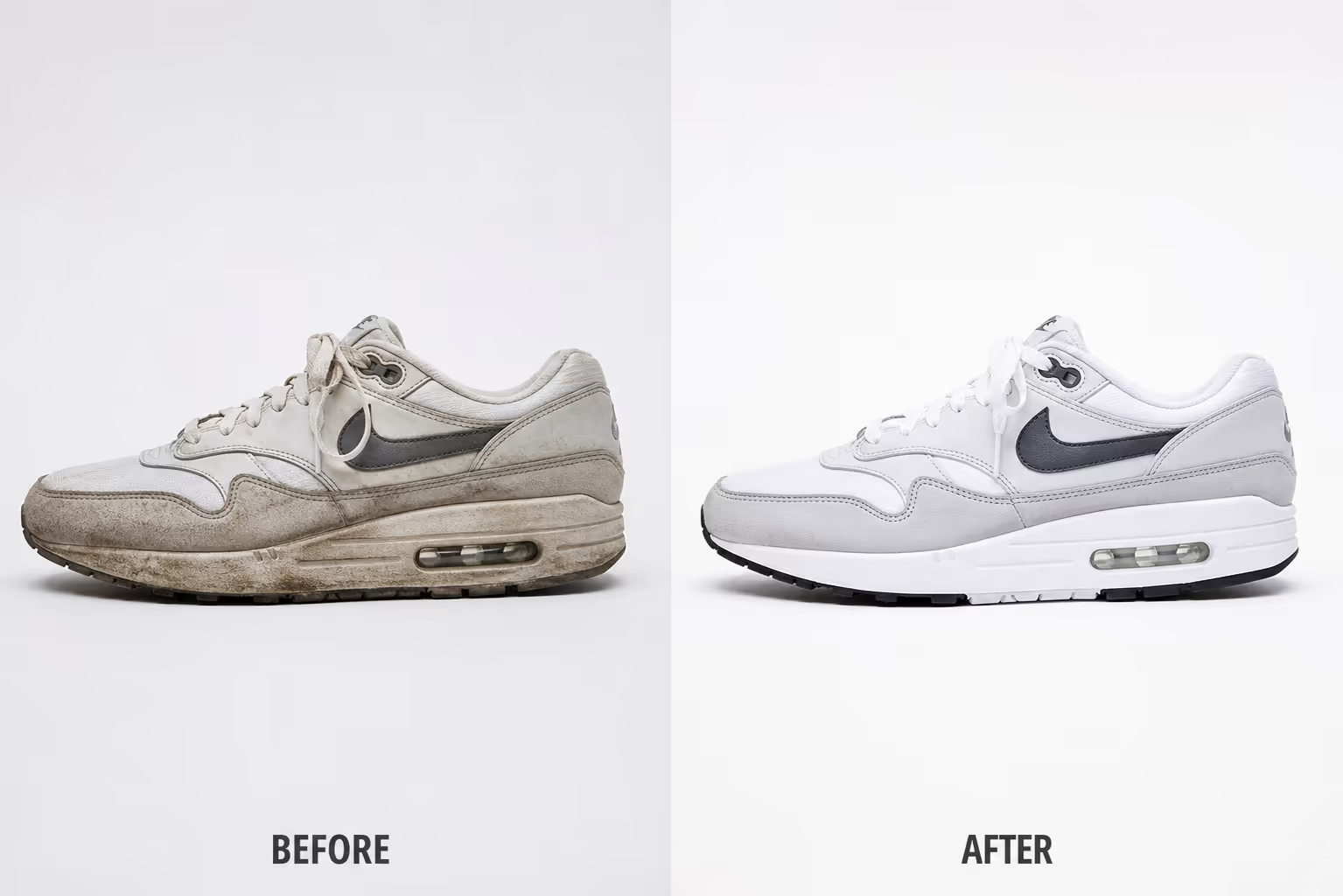
Most weak before-after photos fail at capture, not editing. The fix is mechanical: treat the pair as a single locked setup you return to.
Mount the camera on a tripod and mark its position — same height, same distance, same angle for both frames.
Lock focal length. A different lens or zoom between shots warps the comparison and reads as a trick.
Fix exposure manually so the change reads as real work, not a brighter filter.
Keep the framing identical — the same crop, the same horizon, the same edges.
When the only variable between the two frames is the transformation itself, the comparison climbs because there is nothing left for a skeptic to dispute.
Light Both Frames the Same Way
Lighting is where honest transformations get accidentally sabotaged. A warmer light on the "after" can fake an improvement the work did not earn, and savvy buyers feel the manipulation even when they cannot name it.
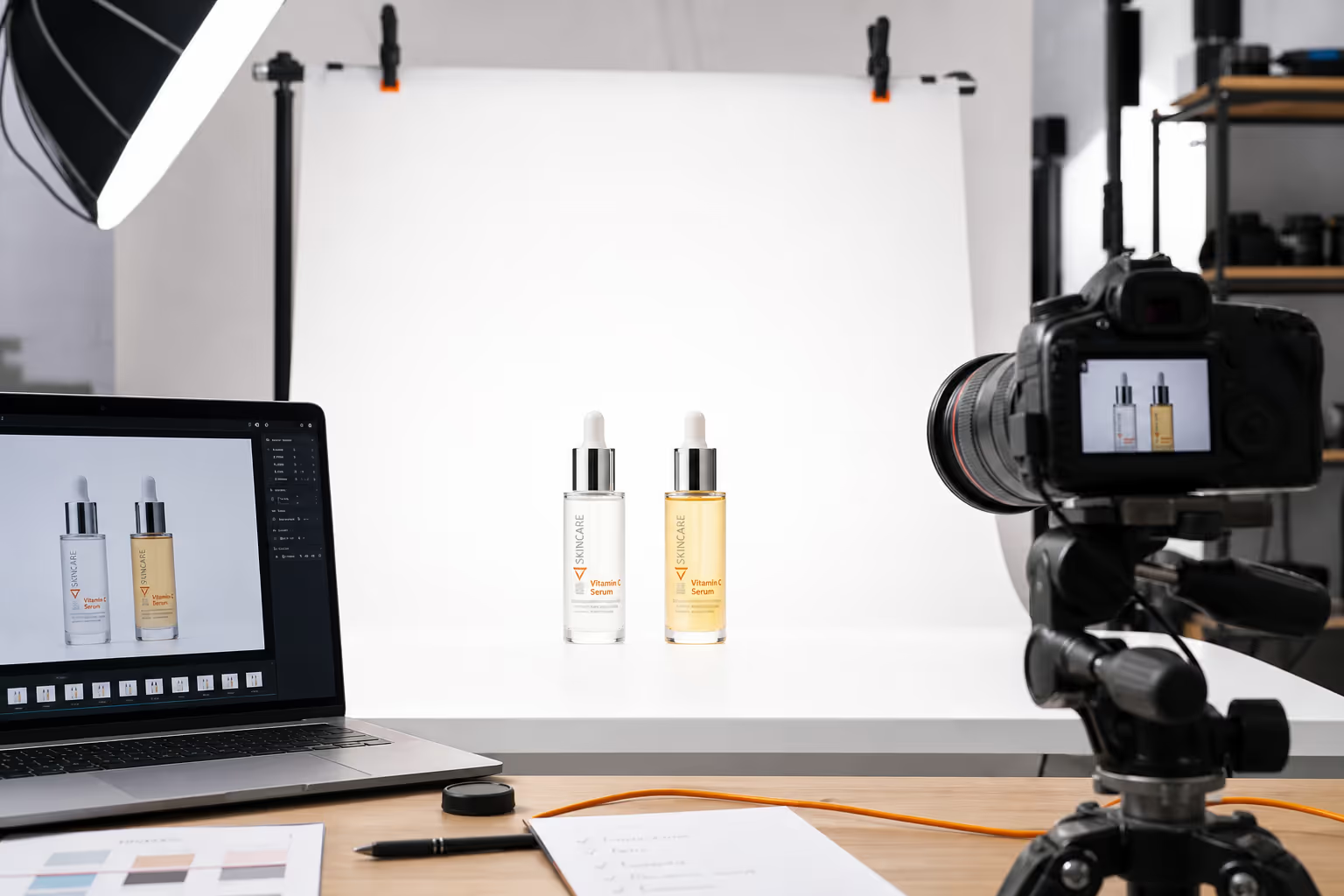
Shoot both frames in the same light, same time of day, same source, same white balance. If you stage virtually or retouch, retouch both frames to the same standard so the difference stays attributable to the change, not the edit. This is the quiet discipline that separates a believable result from an inflated one.
The before after photo conversion rate does not reward the prettiest "after." It rewards the pair a skeptic cannot pull apart.
Label, Sequence, and Frame the Reveal
Once the pair is honest, the job is removing friction from the comparison. Three details do most of the work:
Tag each frame, a quiet
Beforeon one side andAfteron the other kills any confusion about direction.Set the starting position near the middle so the viewer immediately sees there is something to drag or compare.
Lead with your strongest pair. A 2026 landing page statistics roundup found 35% of marketers name images and graphics as the single best element for lifting landing page conversions, so the comparison should sit above the fold, not buried.
The psychology underneath is the same one real estate has measured for years: the 2025 NAR Profile of Home Staging reported that 83% of buyers' agents said staging helps buyers visualize a space as their own. A before-after pair does that visualizing for the viewer in a single drag.
Common Mistakes That Flatten the Comparison
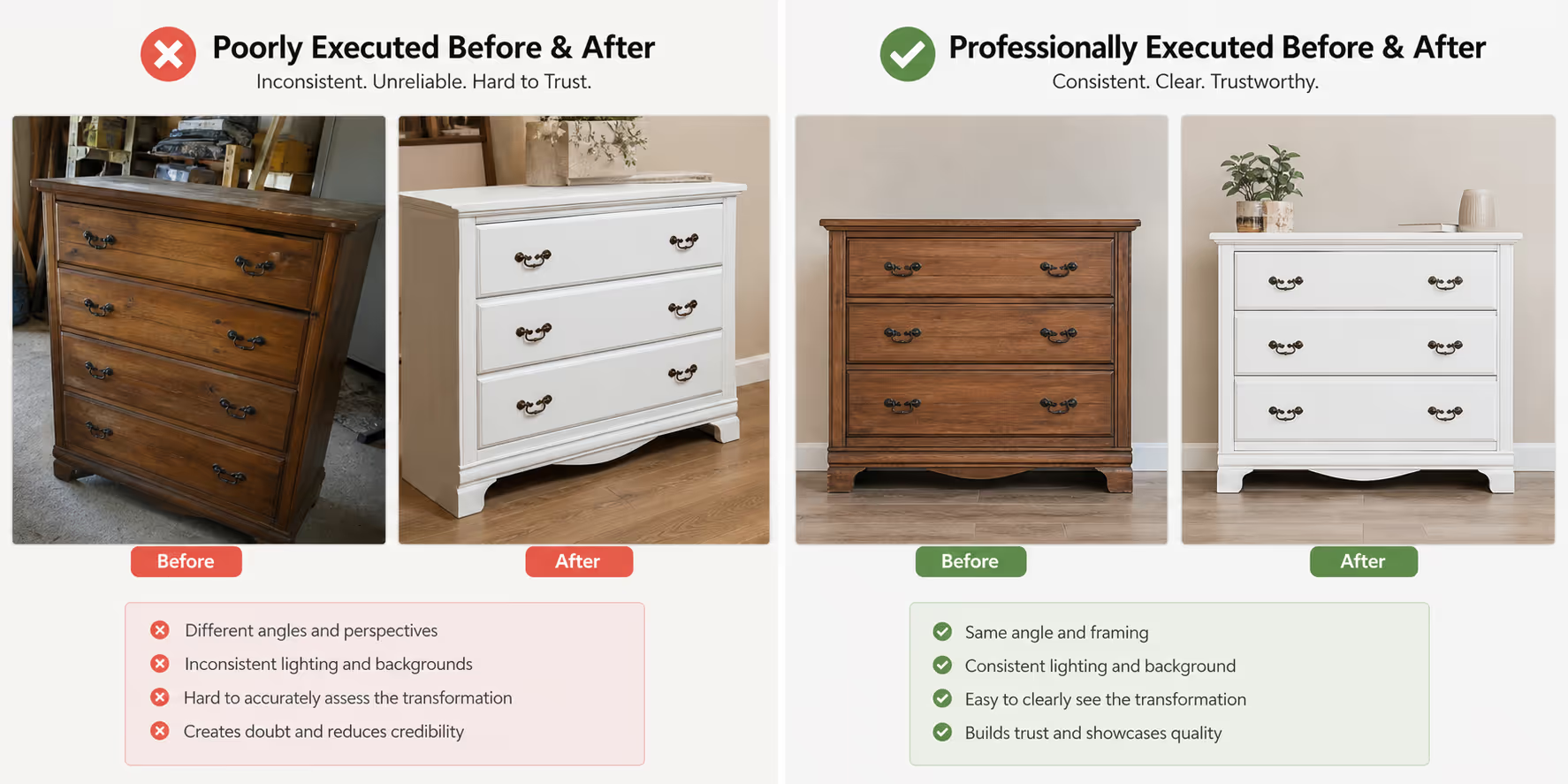
Even an honest pair can underperform when small things go wrong at the edges. These are the errors that quietly drag the numbers down:
Mismatched zoom or angle — the most common offender, and the fastest way to make a real result look staged.
Over-retouched "after" — heavy smoothing or color grading reads as a sales trick, and trust collapses the moment a viewer senses it.
Cluttered backgrounds — clutter that changes between frames pulls attention away from the actual transformation.
Burying the pair — a comparison three scrolls down rarely gets seen, so the proof never does its job.
Each of these failures shifts attention from the change to the inconsistency, and a viewer who notices the inconsistency stops trusting the result. Fix the edges and the comparison carries its own weight — the photography does the persuading, not the copy beside it.
What This Means for Your Stack
Strong photography deserves a format that lets people interact with it. A static side-by-side proves the change; a draggable comparison invites the visitor to discover it. That participation is where the before after photo conversion rate separates from a plain gallery.
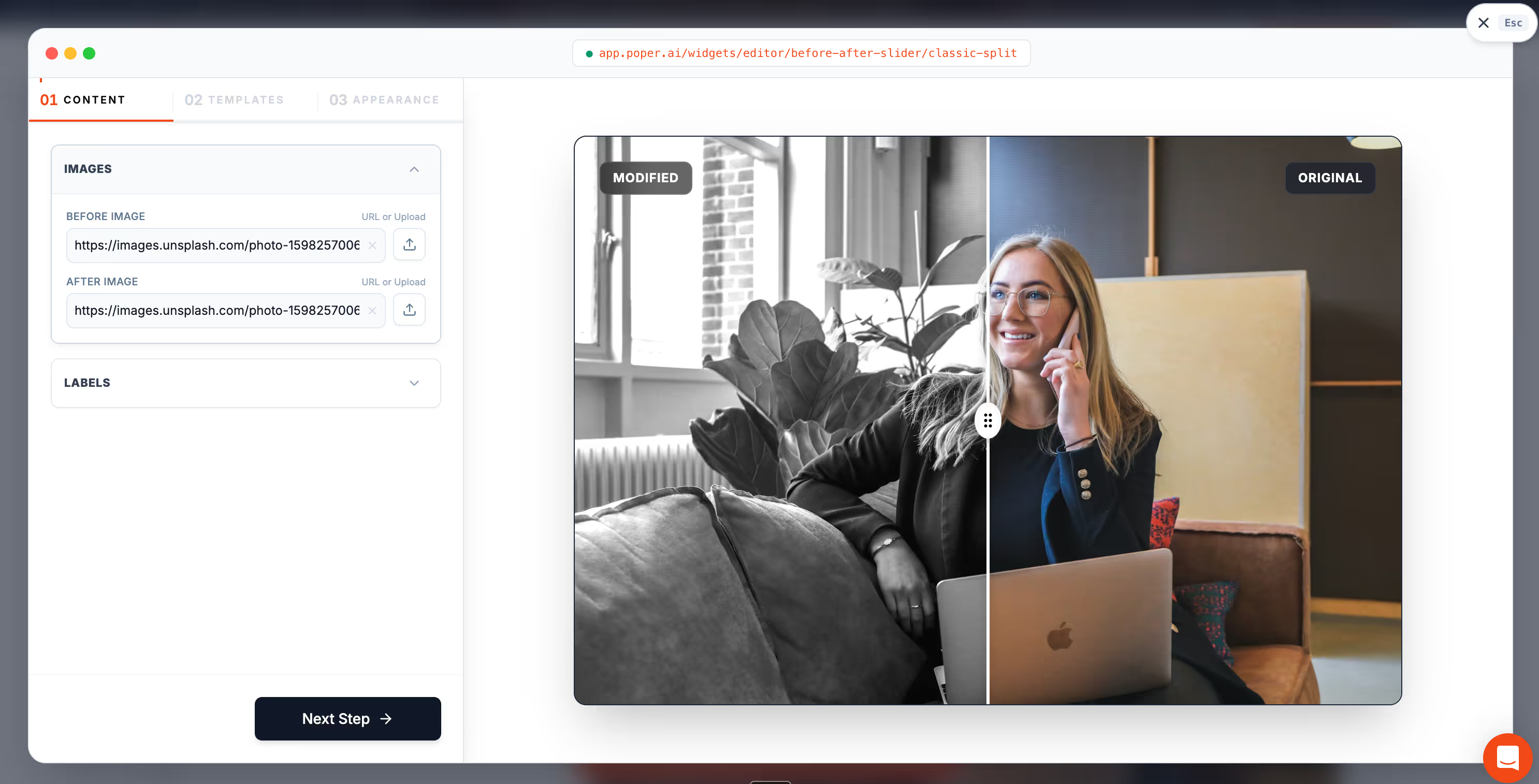
Poper's no-code Before-After Slider drops a draggable comparison onto any page in minutes, with built-in Before and After labels and an adjustable handle start. If you want format inspiration before you shoot, the before-after slider examples gallery shows how cosmetic, fitness, and renovation brands frame their pairs.
Conclusion
The before after photo conversion rate is a photography problem wearing a marketing costume. Shoot both frames as one locked setup, light them identically, label the reveal, and lead with your strongest pair. Get the capture honest and the format interactive, and the comparison stops asking visitors to believe you — it lets them prove it to themselves.
Sources
VWO, "Do Human Photos Increase Website Conversions?".
National Association of Realtors, "2025 Profile of Home Staging".